
This Wealthy Nation Went Bankrupt Due to a Hobby of Hoarding Lamborghinis and Ferraris
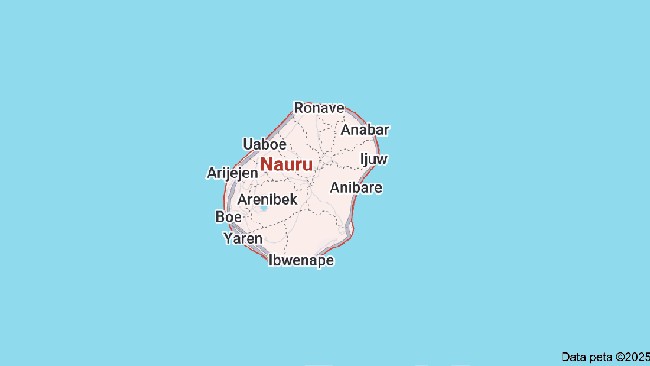
Jakarta, CNBC Indonesia - A small country in the Oceania region once recorded itself as one of the most prosperous in the world, before finally falling into the abyss of bankruptcy. The cause was inseparable from excessive spending patterns, including the purchase of super-luxury cars such as Lamborghinis and Ferraris by its residents.
That country is Nauru, a tiny island that once enjoyed an extraordinary economic surge thanks to its natural resource wealth. However, the prosperity that came quickly was not managed sustainably, resulting in a severe economic crisis.
In addition to the exploitation of resources by foreign parties, corruption practices are also said to have accelerated the economic downfall of the country. When state revenue declined, spending remained high, creating an imbalance that was ultimately difficult to control.
Here are the facts related to Nauru’s bankruptcy, as compiled by CNBC Indonesia from various sources.
It Began with Phosphate
For years, the island’s economy was heavily dependent on phosphate, a valuable material used in fertilisers, which was discovered in large quantities by a British company in the early 1900s. Mining began in 1907, with the governments of Britain, Australia, and New Zealand exploiting the resource for most of the 20th century.
After gaining independence in 1968, Nauru took over the phosphate mines, causing an economic boom. A 1982 report from The New York Times stated that the island nation had “per capita income surpassing any oil-rich Arab country”, describing it as the smallest and richest independent democratic country in the world.
This newfound prosperity was evident when a police chief bought a Lamborghini. Other super-luxury cars, including Ferraris, were also imported. This occurred despite Nauru having only one paved road with a speed limit of just 25 mph.
Although only a few Nauruans were wealthy in terms of bank balances at the time, The New York Times said the country’s wealth had transformed it into “almost the highest welfare state”. The government provided all essential services for free, including “schools, medical and dental care, bus transport, even the Government newspaper”.
If treatment was not available at the two local hospitals, residents were flown 2,500 miles to Australia at government expense. The costs of higher education through Australian universities were also covered.
Rampant Consumption
However, it seems that other parties benefited more directly from the island’s phosphate wealth, with evidence of lavish purchases still visible to this day.
YouTuber Ruhi Çenet visited the country and detailed his experience in a 2024 video. His video depicts the “consumption frenzy” at the peak of the island’s wealth.
He found various luxury cars abandoned on the roadside, including Cadillacs, Jeeps, and Land Rovers, which now serve only as rusty reminders of its past glory. Ruhi spoke to locals who confirmed a story he had heard about a policeman who bought a Lamborghini before realising he could not fit inside it.
Phosphate continued to be mined and depleted in the 1990s, after being exploited by foreign powers for decades.
A Money Laundering Haven
However, once the island’s abundant resources were exhausted, the country’s wealth followed suit. The government’s large spending and luxurious lifestyle were unprepared for the economic collapse.
In search of other ways to generate money, Nauru at one point became a tax haven that sold banking licences and passports.
Russian mafia money worth around £55 billion (Rp1,127 trillion) flowed through Nauru’s banks in just one year. This led the US Department of the Treasury to designate the island as a money laundering country in 2002.
Australia rescued the country by providing financial aid in exchange for the small island hosting a centre for asylum seekers heading to Australia.