
This Property Sector Is Most Affected by the Iran–US–Israel Conflict
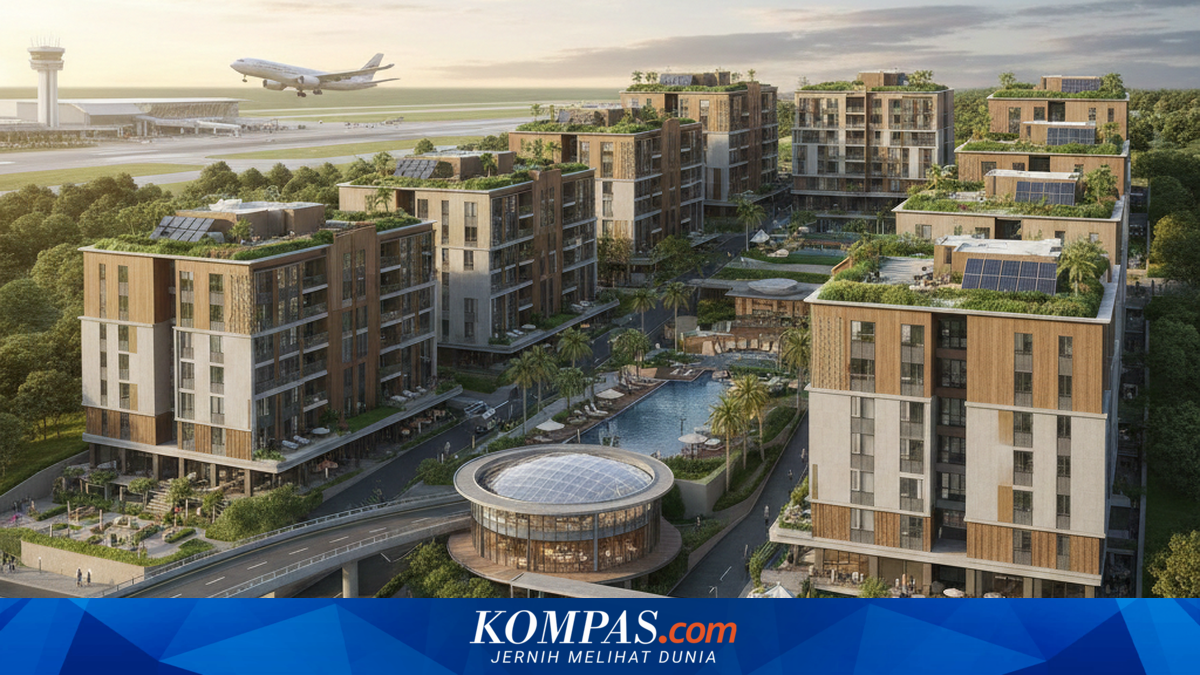
JAKARTA, KOMPAS.com - The Iran–United States (US) and Israel conflict is seen to have varying effects on Indonesia’s property segments. Global uncertainty influencing investor and consumer sentiment makes several sectors appear more vulnerable than others. According to Colliers Indonesia Head of Research Ferry Salanto, the segment most vulnerable in the current situation is mid-to-high-end apartments. “The most vulnerable if we look at the current situation are mid-to-high-end apartments, but it also depends on investors and their sentiment,” Ferry told Kompas.com on Monday, 2 March 2026. According to him, apartments in this segment tend to be influenced by investment factors and market confidence. When sentiment weakens, purchase decisions are usually delayed. In addition to apartments, several commercial properties are also considered sensitive to slower consumption. Retail properties such as shopping centres depend on consumer purchasing power, while MICE-based hotels are heavily influenced by corporate activity and the organisation of events. In a global uncertainty scenario, such activities could slow down. On the other hand, Ferry notes that landed houses are relatively more resilient to external pressures, especially those that are end-user driven. “Landed houses must be needs-based or end-user driven. So not landed houses bought on the basis of speculation or investment. So, indeed, housing that is needed to inhabit,” he explained. He says Indonesia’s landed housing market remains dominated by the need for shelter, not merely speculation. This makes its movements tend to be more stable than other segments. Furthermore, industrial estates based on real manufacturing activity are also considered relatively more resilient. “Industrial estates based on real manufacturing activity are also relatively more resilient,” added Ferry. Meanwhile, landed houses based on need and industrial estates are relatively more stable.