
This is the Waste Sorting Process in Jakarta, from Residents' Homes to the 3R TPS
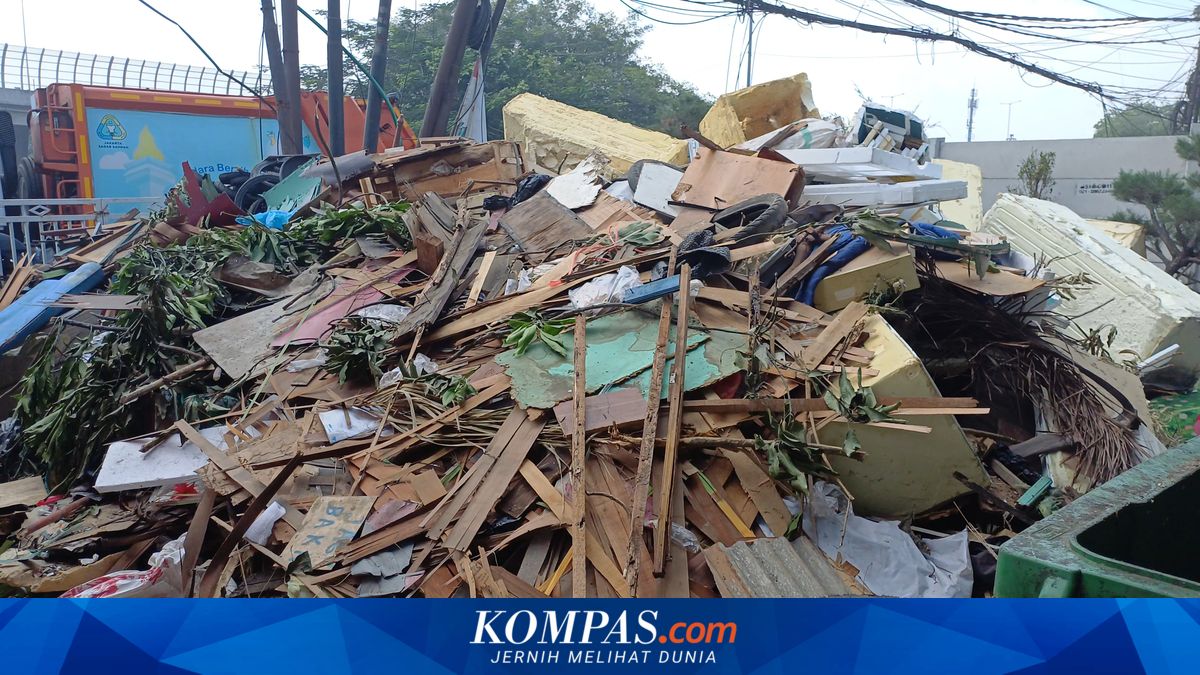
Officials at TPS 3R Kober in Semper Timur, Cilincing, North Jakarta, have outlined the waste sorting process that starts from the household level and extends to the waste processing facility. The procedure involves several stages aimed at reducing the volume of residual waste that ends up at the Integrated Waste Processing Site (TPST) Bantargebang or the Refuse Derived Fuel (RDF) Rorotan. Rudi, an official at the TPS 3R Kober depot, explained that sorting actually begins at residents’ homes before collection to the TPS. According to him, there are three main stages of waste sorting: at the household level, by collection workers using carts, and further sorting at the TPS. Upon arrival at the TPS, the waste brought by carts is immediately separated by type. Residual waste that can no longer be utilised is placed into bin tongs and then transported by truck to the final disposal site. “From the cart, it’s unloaded and immediately separated. The residue goes into the bin tong for disposal to Bantargebang. The stuff that can’t be used anymore,” he said. Not only plastic, but other materials like cork and wood are also separated for further utilisation. Organic waste is collected separately and sent to TPS 3R Asrama Semper for processing. Rudi stated that they also encourage residents to start sorting organic waste at home, particularly food scraps and vegetable remnants. “On Wednesdays, I have a task; I’ve already given out plastic bags. Every plastic bag for the house, then on Wednesday, vegetable scraps, rice leftovers, whatever, I’ll collect them,” Rudi revealed. According to him, initial sorting is also carried out when waste is collected from residents’ homes.