
This is the Reason UAE is Leaving OPEC Starting 1 May 2026
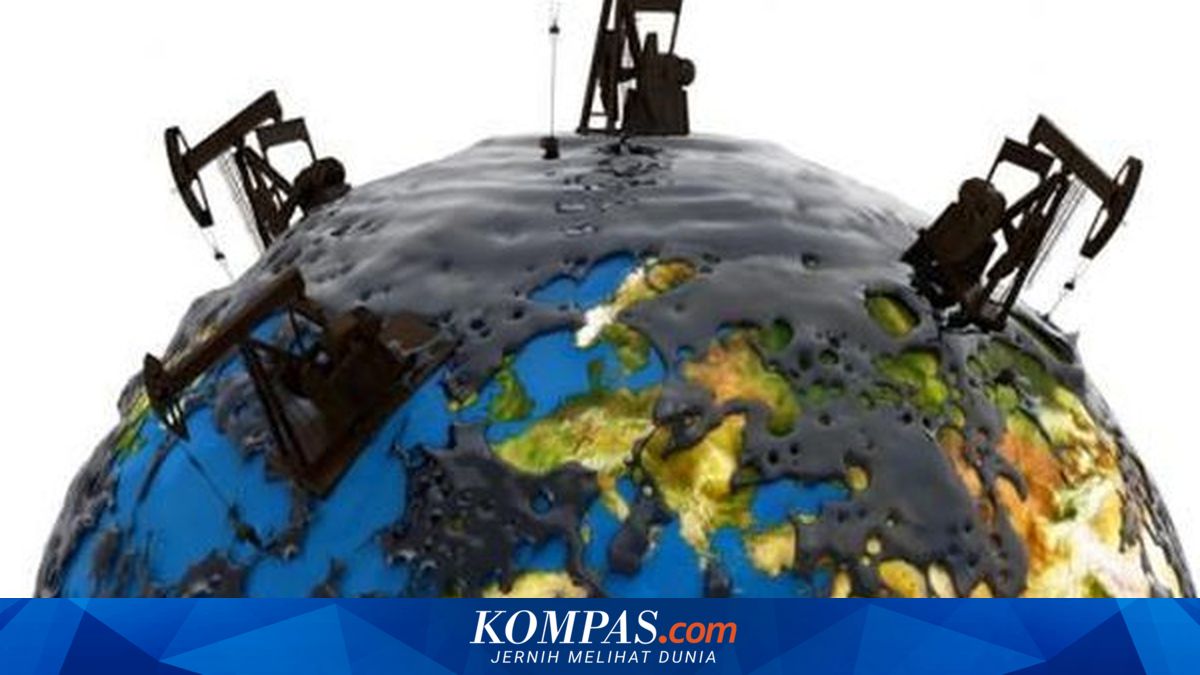
JAKARTA, KOMPAS.com - The United Arab Emirates (UAE) has announced its exit from the Organization of the Petroleum Exporting Countries (OPEC) and the OPEC+ alliance starting 1 May 2026. The decision was taken because the UAE wishes to have greater freedom in determining its oil production strategy in line with national interests and its long-term energy plans. UAE Energy Minister Suhail Mohamed al-Mazrouei stated that the government seeks greater flexibility in determining oil production levels both now and in the future. “This is a policy decision that has been made after careful consideration of current and future policies related to production levels,” Al-Mazrouei told Reuters, as quoted on Tuesday (28/4/2026). The UAE has repeatedly criticised the OPEC production quota allocation formula as disadvantageous to the country, particularly since Abu Dhabi has invested significant funds to increase its oil production capacity. In 2021, the UAE even clashed with Saudi Arabia over OPEC’s oil production cut policies. Now, amid uncertainties in global energy supplies and conflicts in the Middle East region, the UAE has chosen an independent path outside OPEC. This step is seen as providing greater space for Abu Dhabi to maximise investments in the oil, gas, and clean energy sectors without being bound by the collective policies of the oil cartel. In addition to seeking more flexibility in oil production, the decision to leave OPEC also reflects a change in the UAE’s energy strategy. The Gulf country has in recent years actively expanded its oil production capacity while developing the gas and clean energy sectors to maintain long-term competitiveness. Therefore, being outside OPEC is considered to help the UAE adjust production more quickly in accordance with global market conditions. The UAE’s decision to leave OPEC is also seen to have political dimensions. Al-Mazrouei revealed that the decision was not discussed beforehand with Saudi Arabia, which has long been the de facto leader of OPEC. This has sparked speculation that oil-producing countries in the Middle East are beginning to prioritise national interests over collective coordination through OPEC.