
This is the Blueprint for Developing the Horticulture Economic Corridor in Sulawesi
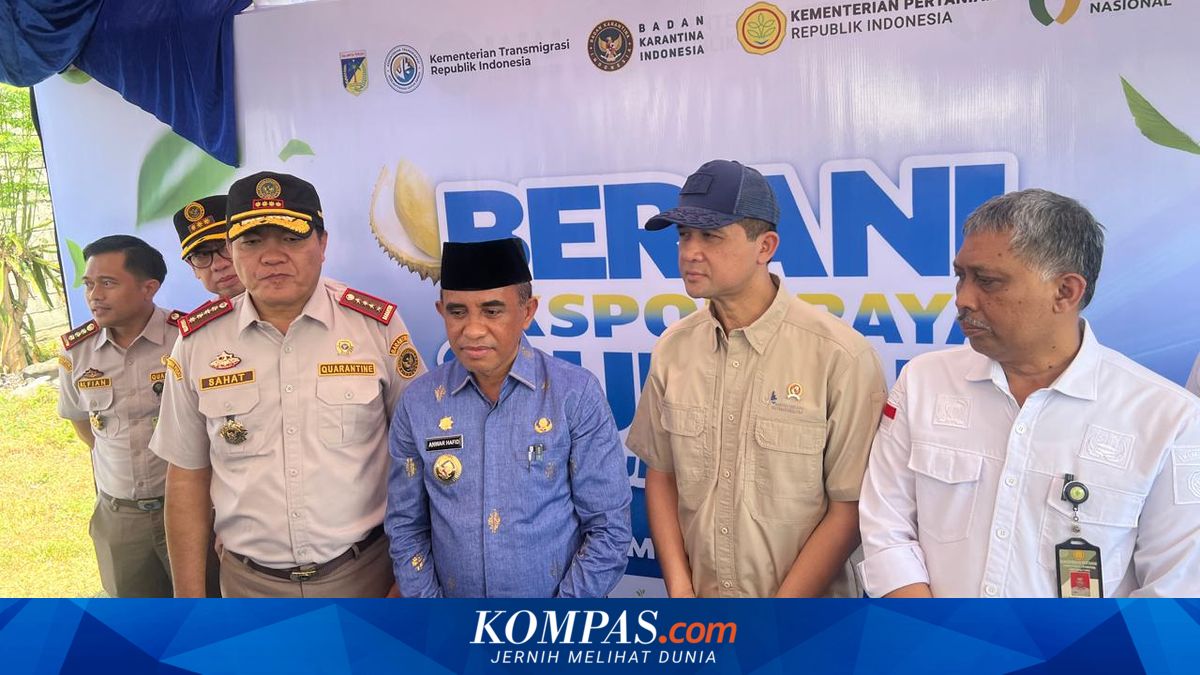
The launch of frozen durian exports in Palu, Central Sulawesi, on Thursday (16/4/2026), serves as a momentum for the government to redefine the role of transmigration areas. Policy focus is now shifting from human mobilisation to optimising regional economic potential. Minister of Transmigration, Muhammad Iftitah Sulaiman Suryanagara, emphasised that the current relevance of transmigration lies in its ability to address international market needs, particularly from China, which faces land constraints but has a massive demand for horticultural commodities. The main challenge is the lack of adequate cultivation land in mainland China to meet their domestic consumption. A similar situation applies to coconut commodities. China’s needs reach 4 billion nuts per year, with an economic value of around Rp 110 trillion. However, the current available supply only reaches 1 billion nuts. Iftitah recounted his experience discussing this strategic relationship with academics in China. He revealed an interesting question from a PhD student in China regarding the relevance of transmigration. The government has designed the development of a horticulture-based economic corridor that integrates the Poso, Sigi, to Parigi Moutong regions. The selection of these areas is based on their historical track record as productive transmigration zones. Parigi Moutong, for example, is a success story where 80 percent of its area is transmigration or ex-transmigration zones that have now transformed into food production centres. This policy also marks the end of the conventional transmigration era. Iftitah stressed that the population relocation paradigm is outdated. “In the current era, transmigration is no longer about moving people, but about how to see the economic potential in an area,” Iftitah asserted firmly. The realisation of the Central Sulawesi economic corridor will not rely entirely on the State Revenue and Expenditure Budget (APBN). Funding schemes will be opened as widely as possible for private investment, inter-government cooperation (G-to-G), to international donor support. This programme mobilises superior human resources from seven renowned universities in Indonesia to provide technical and managerial assistance in the field.