
This is Indonesia's Government Strategy to Face the Godzilla El Niño Threat
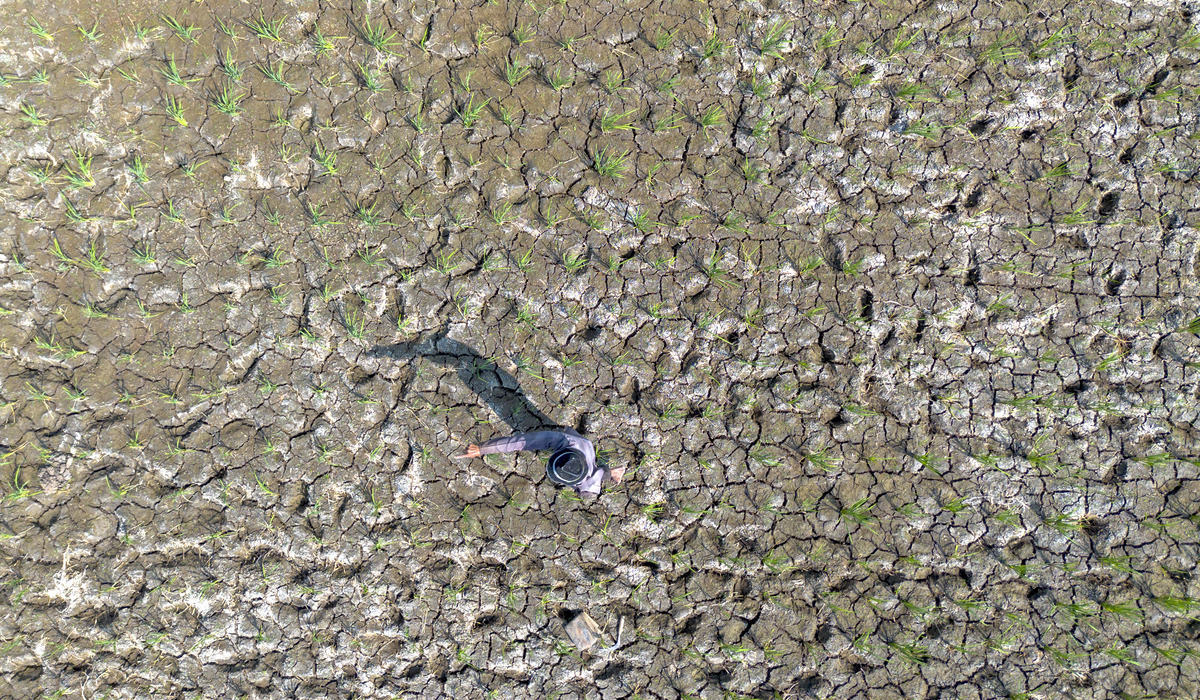
The Indonesian government is strengthening cross-sectoral coordination to mitigate the impacts of the extreme climate phenomenon known as Godzilla El Niño, which has the potential to trigger prolonged droughts and disruptions to agricultural productivity in various regions of the country. Strategic steps are focused on securing national food stocks, optimising irrigation infrastructure, and preparing for forest and land fire disasters (karhutla). The Ministry of Agriculture, Ministry of Public Works and Housing (PUPR), and the Meteorology, Climatology, and Geophysics Agency (BMKG) are at the forefront in efforts to stabilise the impacts of weather anomalies during the 2026 dry season. The government is implementing several crucial points to address the threat of extreme drought under the Godzilla El Niño conditions. These include accelerating planting seasons, using drought-resistant seed varieties, and distributing water pumps to key production areas. Additionally, managing the operations of reservoirs and small dams to ensure the availability of irrigation water and raw water for communities, and increasing patrols in fire-prone areas along with activating Weather Modification Technology (TMC) for wetting peatlands. Besides technical aspects, the government is also ensuring budget availability through disaster contingency funds. This aims to enable quick market interventions if there is a surge in food commodity prices due to reduced production at the farmer level. Data on specific impacts and loss figures due to Godzilla El Niño are currently in the validation stage by relevant authorities. The government urges the public to use clean water wisely. The public is expected to continue monitoring the latest weather information from BMKG and follow guidelines from local governments to minimise risks of economic or health losses during the Godzilla El Niño period. Reflecting on the extent of burned land and the massive impacts of forest fires in Indonesia in 2015 due to the extreme El Niño phenomenon or Godzilla El Niño. Indonesia has experienced the Godzilla El Niño phenomenon in 1997/1998 and 2015/2016, which triggered extreme droughts and severe karhutla. The Regional Disaster Management Agency (BPBD) of Tasikmalaya Regency, West Java, has begun taking proactive steps to anticipate the threat of extreme drought during the 2026 dry season. Cianjur Regency, West Java, is preparing to face the potential dry season, particularly readiness in the agricultural sector, which is predicted to be affected. Minister of Agriculture Andi Amran Sulaiman has asked local governments to immediately map agricultural areas that are potentially prone to drought. List of regions in Indonesia vulnerable to karhutla in 2026 due to the Godzilla El Niño phenomenon. See the mapping of red zones and mitigation steps. The Godzilla El Niño phenomenon threatens increased karhutla risks in Indonesia in 2026. See the explanation and anticipatory steps. The National Disaster Management Agency (BNPB) is strengthening national preparedness to face the potential for forest and land fires (karhutla) in 2026. BMKG also predicts that the dry season this year will start earlier and last longer, beginning in April or May, with its peak in August. The 2026 dry season is predicted to arrive earlier in April-May in the South Kalimantan Province (Kalsel) region. Dry weather triggers the emergence of hotspots in Kalsel.