
This is How the Government Monitors Civil Servants Exploiting WFH Policy as 'Long Weekends'
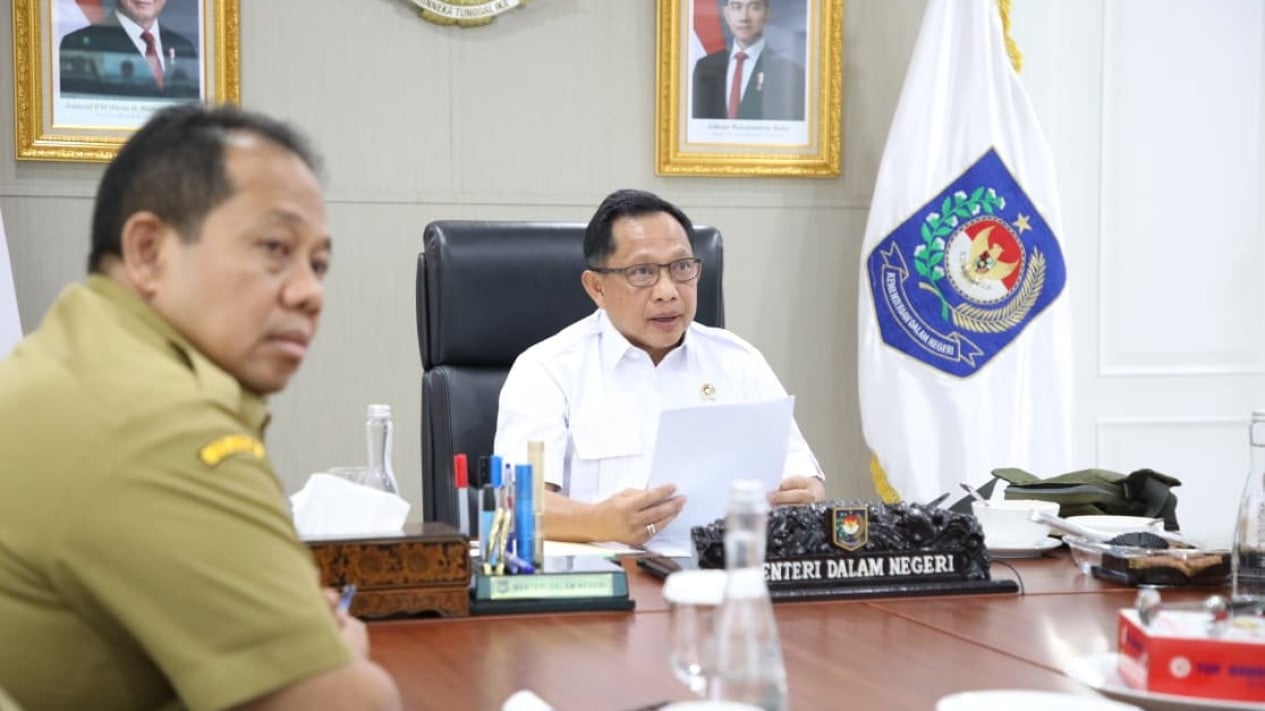
The government is tightly closing loopholes for the misuse of the work-from-home (WFH) policy for civil servants (ASN) implemented every Friday in a week. Instead of becoming an opportunity for a “long weekend”, WFH every Friday is being closely monitored with location tracking technology to ensure ASN remain disciplined in their work. Through the work culture transformation policy in line with the energy-saving movement, the government emphasises that work flexibility does not mean a relaxation of responsibilities. Interior Minister Tito Karnavian has even issued circular letter Number 800.1.5/3349/SJ as the basis for supervising the implementation of WFH in regional governments. In his directive, Tito stressed that this new work pattern must not be misused as additional holiday time. “We can ensure that ASN are truly carrying out work from home and their mobile phones are also required to be active so that their locations can be known through geo-location,” said Tito, in his statement on Friday, 4 March 2026. With the geo-location system, ASN movements during working hours can be monitored in real time. This scheme recalls the monitoring patterns during the COVID-19 pandemic, when remote work discipline became the government’s main concern. However, not all ASN receive the WFH privilege. The government ensures that vital sectors continue to operate normally from the office. Essential public services—from emergencies, public order, cleanliness, waste management, to health and education—must still operate directly. Even at the level closest to the community, district heads and village heads are not included in the WFH scheme to maintain public service stability. “District heads and village heads are also excluded, meaning they continue to carry out work from office,” he asserted. This policy underscores the government’s firm line: WFH is an instrument for energy efficiency and work transformation, not a loophole to reduce productivity. Strict evaluation has also been prepared. In the next two months, the effectiveness of the policy will be thoroughly reviewed, while regional governments are required to submit routine monthly reports on the impacts and efficiencies achieved.