
This Documentary Highlights the Energy Transition Journey in Kalimantan's 3T Regions
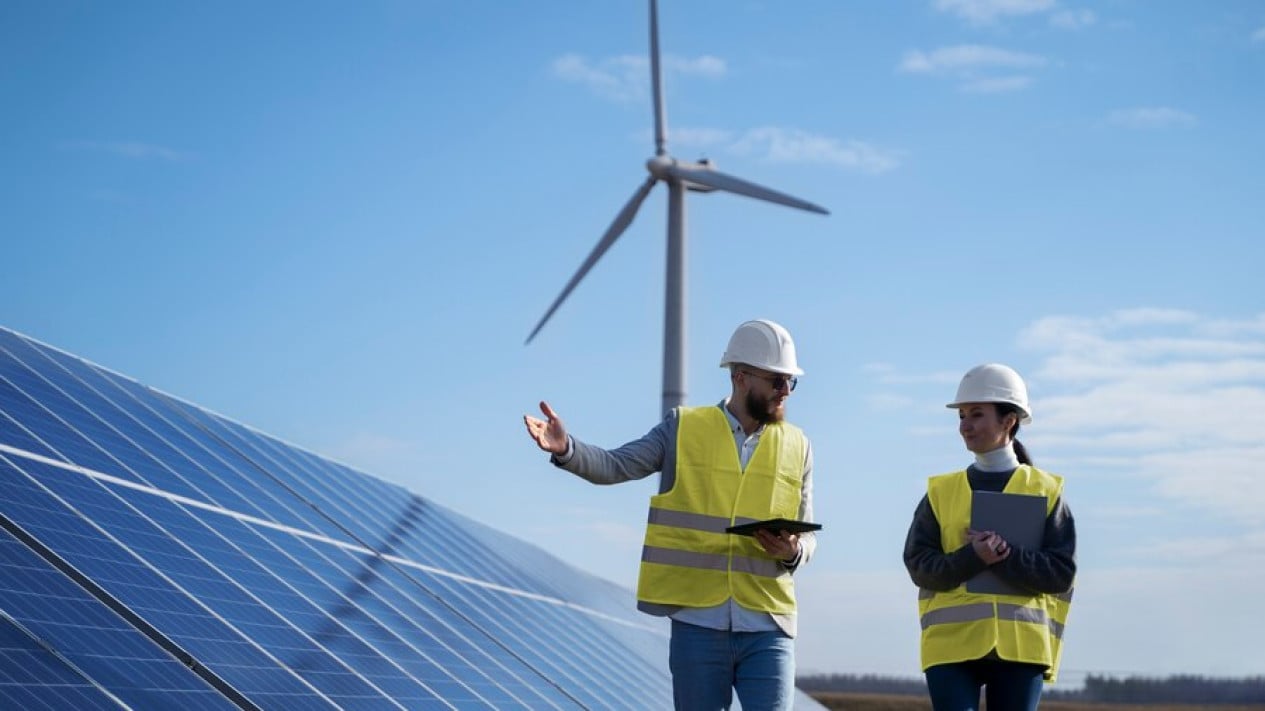
Indonesia aims to achieve net zero emissions (NZE) by 2060 as part of efforts to curb carbon emissions and expand the use of clean energy. Amid the national energy transition ambitions, several energy-producing regions still face limitations in electricity access.
This reality is highlighted in the documentary film Pelita Asa, which spotlights the journey of communities in 3T (disadvantaged, frontier, and outermost) regions as they navigate the energy transition from coal to renewables. The film illustrates how village communities are building energy independence through the utilisation of communal Solar Power Plants (PLTS).
Viewers are taken through the lives of people in Dusun Donomulyo, Kelurahan Manggar, and Desa Muara Enggelam in East Kalimantan. These three 3T villages were selected because they represent major challenges in the energy transition, from environmental damage due to coal mining activities, limited access to electricity and gas, to the threat of job losses for local communities.
Desa Muara Enggelam serves as one example of a region with limited energy access. The village has no land route, making the construction of conventional electricity networks difficult. Until now, residents have relied only on Diesel Power Plants (PLTD) that operate limitedly from evening to night.
“In the entire Muara Wis sub-district, only Desa Muara Enggelam lacks a land access route. Due to this limitation, we are forced to be self-reliant,” said Aliansyah, Staff for Village Finance Affairs in Desa Muara Enggelam, in a clip from the Pelita Asa film.
This situation prompted the village community to seek independent solutions by building a communal PLTS managed by a Village-Owned Enterprise (BumDes). Aliansyah stated that the village community worked together to build the PLTS because it was the only option available and suited to Desa Muara Enggelam’s needs.
The presence of the communal PLTS not only helps expand electricity access but also begins to drive village economic activities. Now, residents can use electronic appliances during the day and run small businesses more optimally.
“In my personal opinion, it’s enjoyable and happy. We can use the television, fan, blender, and washing machine during the day. For the women, after the PLTS was introduced, small and medium enterprises (SMEs) like shops have also increased because they can now use electricity, and from the BumDes side, many employees are recruited from the local community,” explained Jam Ah, a representative of the BumDes in Desa Muara Enggelam.