
This City Has a Ramadan Month Like No Other: Day After Day Without Night
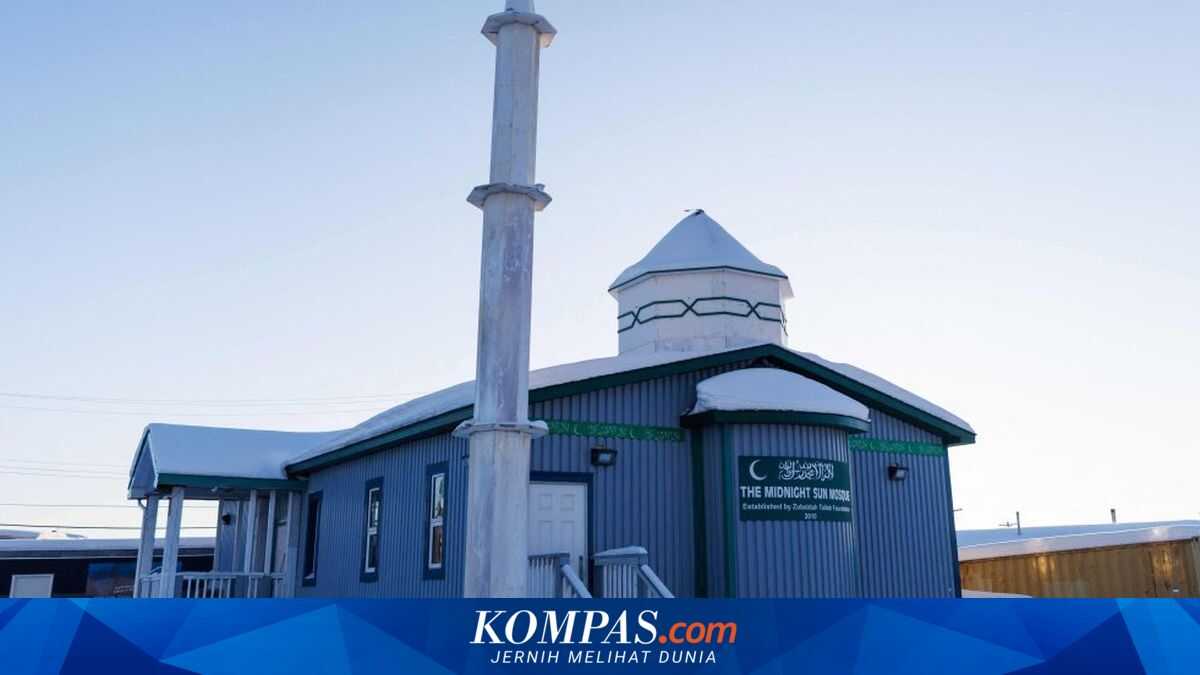
Daily Sabah reported that Inuvik experiences 24-hour daylight for more than 50 days each year, while the region also experiences polar nights—periods with no direct sunlight—for about 30 days annually. This condition directly affects Ramadan observance, traditionally from fajr to maghrib. Without a clear sunrise and sunset, determining fasting times becomes a challenge for Muslims in Inuvik. ‘The first time it was a shock. I couldn’t believe it. For the first time in my life I prayed five times while the sun was still shining,’ one resident said. To cope, the local Muslim community follows Mecca time as the reference for fasting and prayer schedules. The mosque, known as the ‘Little Mosque on the Tundra’, is the hub of Muslim activity in Inuvik, with around 100–120 Muslims living in the area. They gather to break fast (iftar) together, sharing home-cooked dishes including Sudanese cuisine, while strengthening community amid the vast tundra and sometimes very cold temperatures. ‘This is a different experience,’ another said. Although he had previously lived in Edmonton, Alberta—also known for long daylight hours in summer—the Inuvik conditions feel more challenging. Abadallah el-Bekai, a 75-year-old Palestinian resident who has lived in Inuvik for 25 years, believes Ramadan in the Arctic adds a spiritual dimension. The experience of Ramadan under the midnight sun shows how Muslims around the world adjust religious practices to their geographic realities. In Inuvik, adaptation is not only about the technical determination of times but also about preserving the spiritual meaning amid almost constant light.