
Thinning Wallets, Drained Energy: The Burdens on Workers After Eid
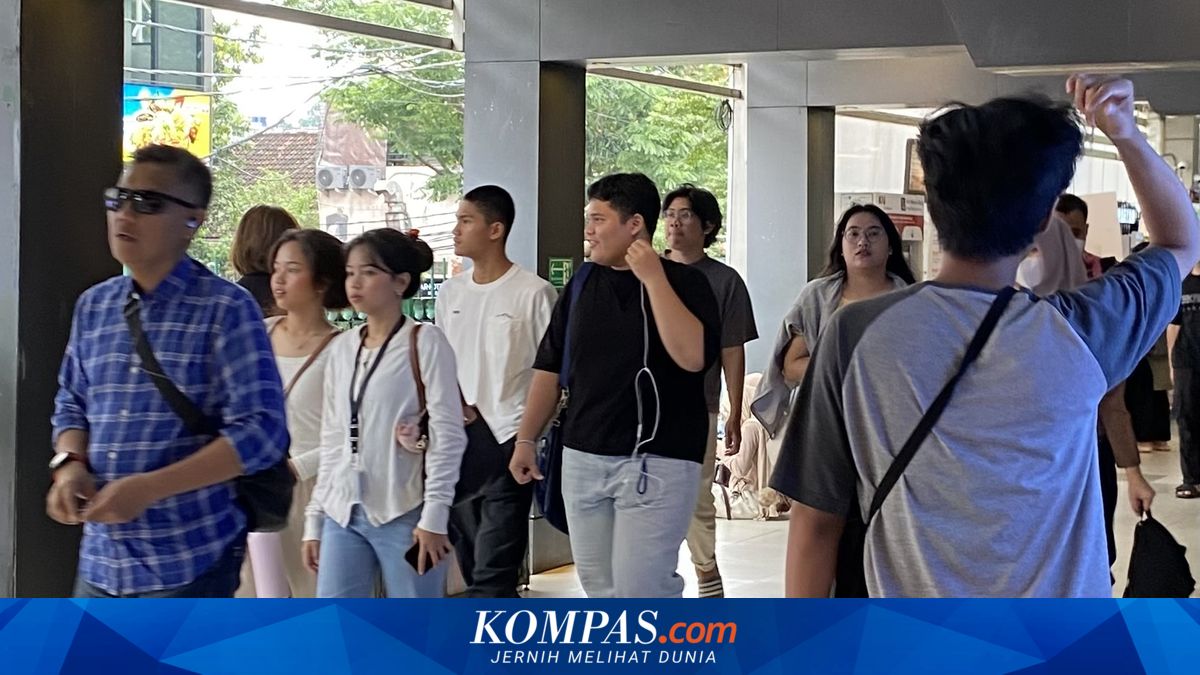
JAKARTA, KOMPAS.com - Eid in Indonesia is not merely a religious celebration, but a large-scale social phenomenon that mobilises millions of people simultaneously. Travelling home for Eid (mudik), sharing with others, and displaying life achievements become inseparable parts of this annual tradition. However, behind the euphoria lies a long-lasting consequence that only becomes apparent once it is all over: physical fatigue, financial pressure, and a decline in work motivation. Sociologist Sigit Rochadi views Eid as the only occasion in Indonesia capable of mobilising human resources on such a massive scale, even surpassing other countries with Muslim majorities. “In our country, there is no holiday that can mobilise millions of citizens, deploy resources, be prepared far in advance, and be anticipated down to the last second, other than Eid,” said Sigit when contacted by Kompas.com on Wednesday (25/3/2026). This phenomenon is not just a tradition, but also a matter of accumulated social pressure. Eid becomes an arena for individuals to demonstrate their existence in their hometowns, whether through appearance, lifestyle, or ability to share. As a result, many people are willing to spend large amounts, even beyond their financial capacity. “It’s as if in this moment, what has been saved over the previous months is spent, whether for sharing or shopping,” said Sigit. Workers, especially the middle class, must face layered burdens: social, economic, and psychological. Social burdens arise from the drive to maintain one’s image in front of family and community. These standards are not always realistic, yet they are followed to preserve prestige. Meanwhile, economic burdens stem from depleted savings. Not a few end up in debt to meet Eid needs, from mudik costs to sharing traditions. “Returning from Eid is not just physical tiredness, but also thinning wallets, and some even have to pay off loans,” said Sigit. Psychological burdens emerge when workers must immediately return to a hectic work routine. Pressure to regain productivity arises amid physical and mental conditions that are not yet fully recovered. For contract and seasonal workers, this pressure is even heavier. In addition to readapting, they also face job uncertainty. “Arriving back in the city feels empty; they are confronted with the condition of finding work,” said Sigit.