
These 3 Positive Sentiments Drive IHSG Up 2.75% After Eid Holiday
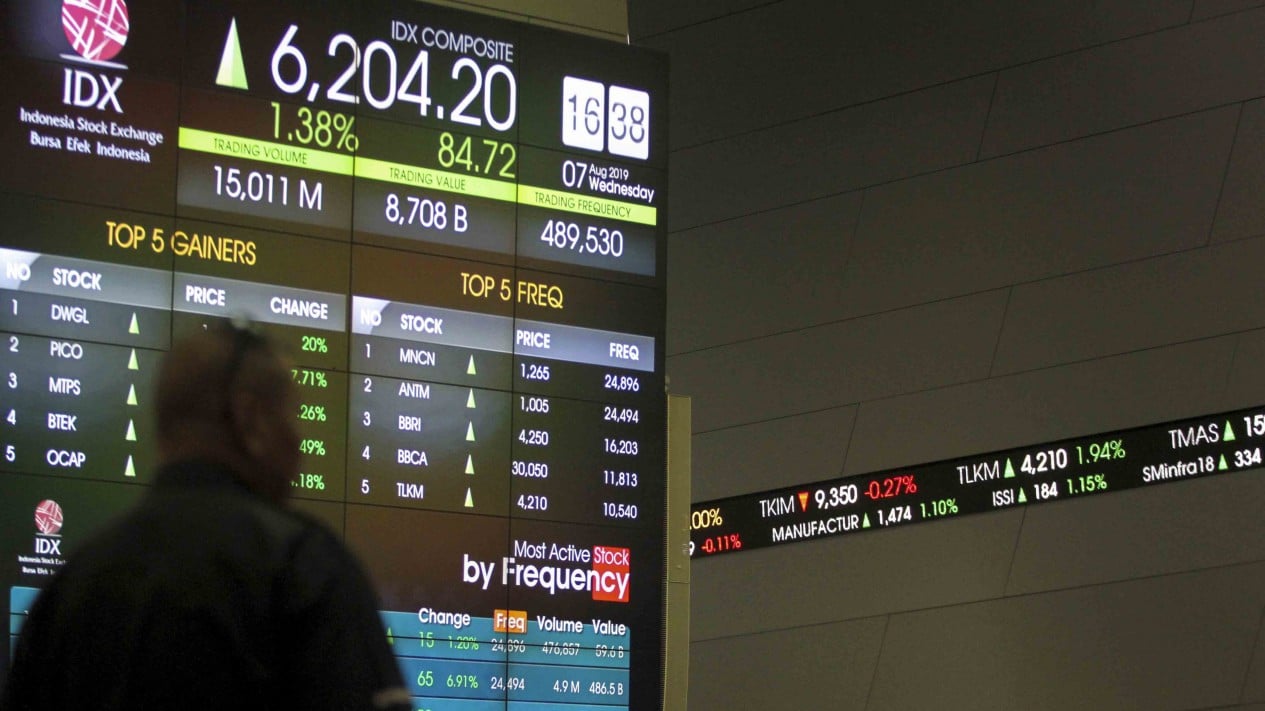
Jakarta – The Composite Stock Price Index (IHSG) recorded an impressive performance on the first trading day after the long Eid al-Fitr holiday. The IHSG soared 2.75 per cent or 195.28 points and closed at the level of 7,302.12 on Wednesday, 25 March 2026. This strengthening occurred after the IHSG had been under pressure in recent times due to escalating global conflicts and investor selling actions. In its daily research, the Phintraco Sekuritas Analysis Team highlighted several main driving factors, both domestic and global as well as technical, that supported the IHSG’s success in booking a significant surge. So, what are the main factors driving the IHSG’s strengthening this time? 1. Improving Global Sentiment Positive performance in stock markets across the Asian region became one of the main catalysts for the IHSG’s strengthening. Investor optimism increased along with the easing of global market concerns, which drove buying actions in various stock markets, including Indonesia. 2. Decline in World Oil Prices Due to Peace Issues The correction in world crude oil prices also provided fresh wind for the market. This decline was triggered by news that the United States (US) is endeavouring to de-escalate the conflict with Iran through a peace proposal. The West Texas Intermediate (WTI) crude oil price was recorded to have fallen around 5 per cent to the level of US$87 per barrel, while Brent weakened by more than 6 per cent to around US$98 per barrel. This decline eased inflation concerns and energy cost pressures, thereby supporting the strengthening of the stock market. 3. Budget Efficiency to WFH Options From domestically, the market responded positively to the government’s plan to carry out budget efficiency. Finance Minister Purbaya Yudhi Sadewa stated that the step to save ministry spending has the potential to cut up to Rp80 trillion. In addition, the National Nutrition Agency (BGN) proposed reducing the frequency of daily food distribution, which is estimated to save up to Rp40 trillion. However, this policy is still in the proposal stage and will soon be submitted to President Prabowo Subianto. The Phintraco Sekuritas Analysis Team also conveyed that the Indonesian government is currently examining several measures to curb the impact of rising world oil prices. The efforts undertaken include fiscal resilience strategies by utilising the Budget Surplus Balance (SAL) and optimising taxes and Non-Tax State Revenue (PNBP) from the commodity sector.