
These 10 Countries Raise Fuel Prices Due to the US-Iran War, Here's the List!
Fuel price increases are occurring across various countries following the intensification of the conflict between the United States and Iran. Geopolitical tensions in the Middle East have sparked a surge in global oil prices, directly impacting energy policies in many nations.
Several countries have reportedly raised domestic fuel prices to adjust to the increasingly expensive energy import costs. Notably, some of the affected countries are Indonesia’s neighbours in Southeast Asia.
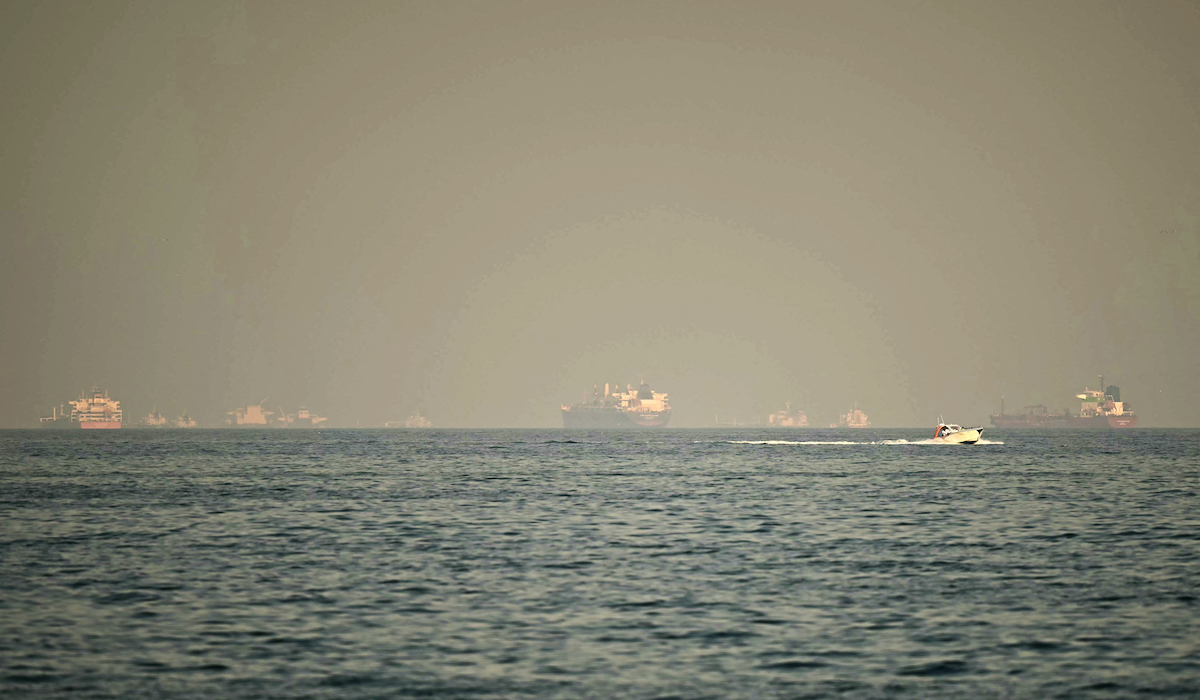
The US-Iran conflict has once again drawn global attention due to its potential to disrupt the stability of the global energy supply. A critical point is the Strait of Hormuz, a strategic route through which approximately 20% of the world’s oil distribution passes.
As tensions rise, the risk of supply disruptions increases. This has driven a rapid spike in global crude oil prices. Countries dependent on energy imports have little choice but to adjust domestic fuel prices.
According to reports from international media such as Al Jazeera, the impact of this conflict is not limited to the Middle East but extends to Asia, Africa, and the Americas.
The following are the 10 countries that have raised fuel prices due to the effects of the US-Iran conflict:
From the list, it is evident that Southeast Asia is one of the most affected regions. Vietnam, Cambodia, Laos, and Singapore are countries with close economic ties to Indonesia.
Dependence on oil imports makes ASEAN countries highly vulnerable to global volatility. When world oil prices rise, the effects are immediately felt in transportation costs, logistics, and the prices of staple goods.
This also serves as a warning for Indonesia, which, despite possessing energy resources, still relies on large volumes of fuel imports.
Fuel price increases do not only affect the energy sector but also spill over into other sectors. Production costs rise, goods prices increase, and consumer purchasing power may decline.
In some countries, fuel price hikes have even sparked public protests, viewed as burdensome to household economies. Governments in various countries now face the dilemma of balancing fiscal stability and protecting people’s purchasing power.
Additionally, the transportation and logistics sectors feel the impact most quickly. Rising distribution costs can lead to broader inflation.
This situation raises concerns about the potential for a global energy crisis if the US-Iran conflict persists. Prolonged supply disruptions could make oil prices even more unstable.
Some analysts predict that if the conflict escalates, oil prices could surge even higher. This would undoubtedly worsen the current global economic recovery phase.
Countries are beginning to consider long-term strategies, such as energy diversification and accelerating the transition to renewable energy.
Although Indonesia has not yet directly raised fuel prices due to this conflict, global pressures are still felt. Rising world oil prices could increase the burden of energy subsidies in the state budget.
If the upward trend continues, it is not impossible that the government will consider adjusting domestic fuel prices. Therefore, the public is urged to anticipate potential rises in living costs.
Moreover, this moment could also serve as a push for Indonesia to accelerate the development of alternative energy, such as renewables and electric vehicles.
The conflict between the United States and Iran has had a tangible impact on global energy prices. At least 10 countries have raised fuel prices in response to the surge in world oil prices.
Southeast Asia is one of the most affected regions, with several of Indonesia’s neighbouring countries experiencing significant increases. If the conflict continues, it is not unlikely that more countries will follow suit.
This situation serves as a reminder that global energy stability is highly vulnerable to geopolitical conflicts. Therefore, energy resilience strategies are becoming increasingly important for every country, including Indonesia.