
There is a Tengger Caldera Ring Road in Mount Bromo, What Is It?
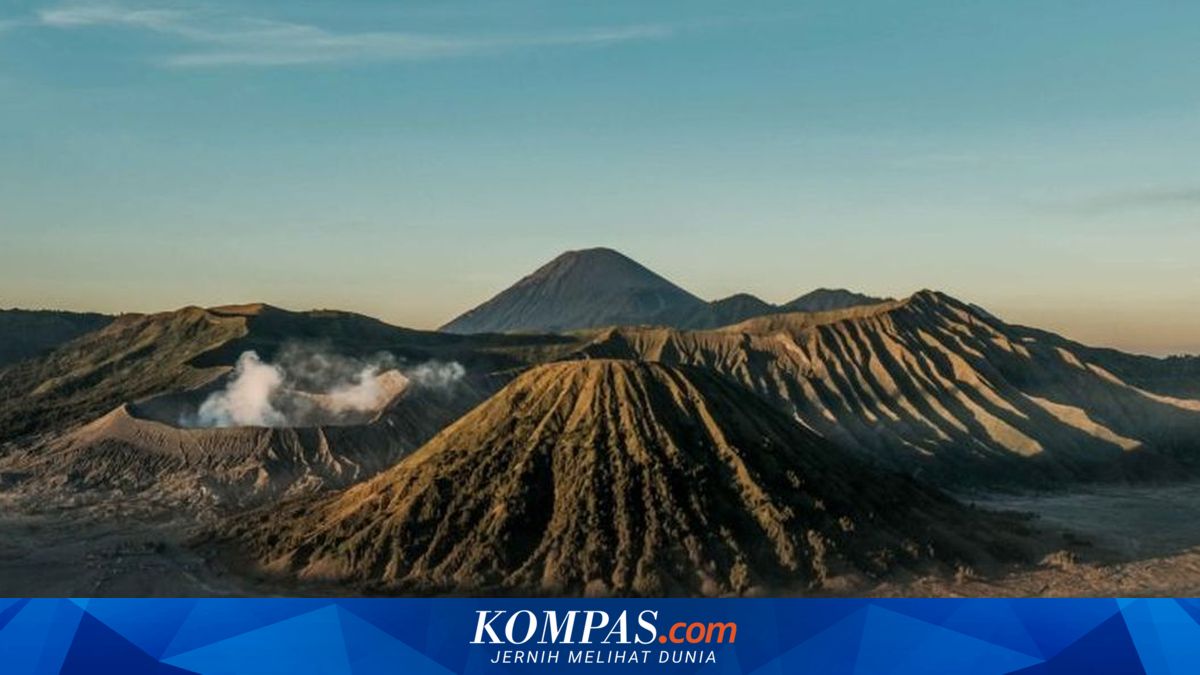
Plans for the construction of the Jalur Lingkar Kaldera Tengger (JLKT) in the Mount Bromo area are currently being discussed. This is seen as the government’s effort to promote the development of this flagship tourism area in East Java.
Through its official Instagram account @bbtnbromotenggersemeru, Bromo Tengger Semeru National Park (TNBTS) explained the reasons for building the JLKT.
The JLKT is touted as a solution for controlling mass tourism, while also preserving the natural environment and the culture of the Tengger community.
This route is said to be created by improving existing roads to make them more directed, without building new paths.
The JLKT is designed to span 13 kilometres with a width of 18 metres and will be equipped with three rest area points, four parking pockets, 9,725 stakes with reflective stickers to improve visibility at night, and 17 sacred areas.
This improvement follows the high tourism activity in the Mount Bromo area, which is not yet supported by fully organised tourism vehicle routes in a clear one-way direction.
This has led to undirected routes that can impact the savannah, natural habitats, and soil conditions in several points.
Through the JLKT improvement, TNBTS hopes to regulate tourist movements in Bromo, while maintaining visitor comfort without abandoning the Tengger cultural values.
The required budget is around Rp 11.1 billion with an implementation period of 210 calendar days.
The groundbreaking was carried out by East Java Governor Khofifah Indar Parawansa together with the Bromo Tengger Semeru National Park Authority (BB-TNBTS), Perhutani, the Natural Resources Conservation Centre (BKSDA), and the Forkopimda from Probolinggo, Pasuruan, Malang, and Lumajang Regencies.
Khofifah stated that the JLKT construction is not merely infrastructure, but also part of efforts to maintain balance between nature, culture, and the economy.
“If we want nature to protect us, then we must protect nature. So protect nature, and nature will protect us,” said Khofifah.