
The World's Most Patient Queue
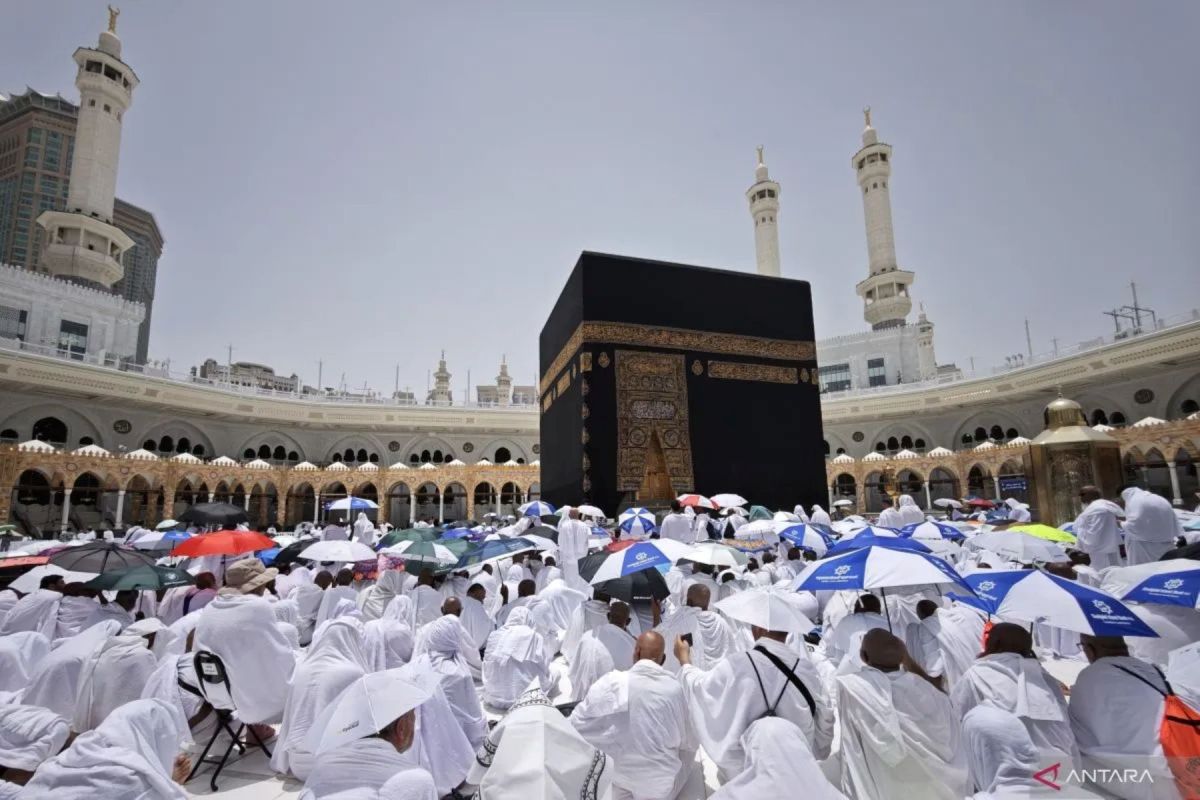
They know that the call to Hajj is not like buying an ordinary travel ticket.
Jakarta (ANTARA) - There is something that always feels odd when discussing Hajj in Indonesia. On one hand, it is a deeply personal spiritual calling. Quiet. In many families, the desire to perform Hajj is often not announced loudly. It grows slowly.
Sometimes, that desire is evident from the habit of parents framing pictures of the Kaaba on the walls of the house. Sometimes it emerges from a neighbour’s stories upon returning from Mecca, their voice glowing as they recount the first tawaf. Sometimes also from small prayers after salah that are forced to stop, interrupted by tears.
However, when that intention enters the system, everything changes into numbers.
Portion number. Year of departure. Estimated wait. Initial deposit. National quota. List of provinces with the longest queues.
Perhaps it must be that way. Indonesia is too large to manage Hajj solely with good intentions and hopes. Millions of people want to depart. Space in the holy land is limited. The Saudi Arabian government sets quotas. The country must regulate. The Ministry of Religious Affairs builds a long system called SISKOHAT. People register, deposit money, receive a queue number, then wait.
Waiting for Hajj departure in Indonesia seems to become part of the worship itself.
Some register when newly married and only depart when their child is already working. Some register when their hair is still black, then one day check their estimated departure while wearing reading glasses. There are also those who from the start realise they might not make it, but still take a portion number because they feel at least they have knocked on that door.
The state has even prepared a legal mechanism for this situation: the portion number can be transferred to heirs if the owner passes away before departing. Which, in reality, is not uncommon.
In some regions, the waiting time has exceeded two or three decades. In Bantaeng Regency, South Sulawesi, the Hajj queue even reaches 48 years. That is a number that is hard to imagine. Because human life often changes completely over such a span of time.
People can move cities, lose jobs, fall ill, lose a spouse, have grandchildren, become too old, or even pass away before their name is called.
However, the Hajj waiting list never becomes a reason for those who are too longing to give up.
Every year, there are still people coming to the bank to deposit Rp25 million as the initial payment. Sometimes they come with ordinary faces, as if handling simple administration. Even though in reality, they are paying for something they may not enjoy in the near future. They are expressing faith, from the pillar of Islam that may only be fulfilled 20 years from now.
Not idle.