
The World is Changing, More Developed Countries Follow Indonesia
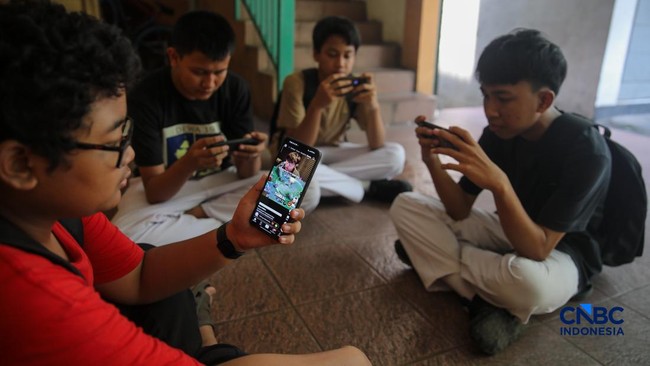
The world is changing, with more countries seeking to implement restrictions on social media for young children. Several other nations have already begun applying them, including Indonesia, which started enforcing them on 28 March 2026 for those aged 16 and under.
France has become the latest country to plan banning social media access for children under 15 years old. In its latest move, senators will vote on the plan, as quoted from Reuters on Wednesday (1/4/2026).
President Emmanuel Macron himself wants the restriction law to take effect at the start of the next school year, in September.
One of the drafters of the bill, Laure Miller, explained that the rule would require platforms to implement age verification reliably, robustly, and while still protecting users’ personal data.
“Young people have access to smartphones at increasingly young ages,” she stated.
“This has a significant impact on their development, both personally and cognitively,” she added.
However, the ban appears to face challenges in the Senate. The rule, as designed, called for a comprehensive ban, but at the committee level, it was changed to only block specific platforms deemed harmful to children.
Other European Countries Join the Movement
In addition to France, the UK is also imposing restrictions. The country provides guidelines for parents to limit screen use for certain age groups.
For example, under 2 years old, no screen use is recommended at all. For 2-5 years, up to one hour per day.
Parents are asked not to use screens with children during mealtimes and one hour before bedtime. Selected content should be slow-paced and age-appropriate, and parents need to supervise children while watching.
Experts recommend that parents avoid fast-paced videos and AI-supported toys. These restrictions exclude screen-based technology for children with special educational needs.
Like France, the UK also faces implementation challenges with the guidelines. Because the government notes that many parents still provide viewing for young children.
Local government records indicate that UK parents with children aged 3-5 years admit difficulty in enforcing screen time limits. Other data shows that 98% of 2-year-old children still use screens every day.
Meanwhile, the Austrian government is also planning a similar ban, but for a younger age group, namely children under 14 years old.
Cabinet members from three parties have agreed on the ban. The aim is to protect children from addictive algorithms and content, including sexual abuse.
The draft will be prepared starting from late June. It does not list individual platforms but decides based on the level of addictive algorithms and the inclusion of content like sexual violence.
It is not yet known when the ban plan will be implemented or what its implementation will look like.