
The Vital Role of the Strait of Hormuz in Global Energy Trade
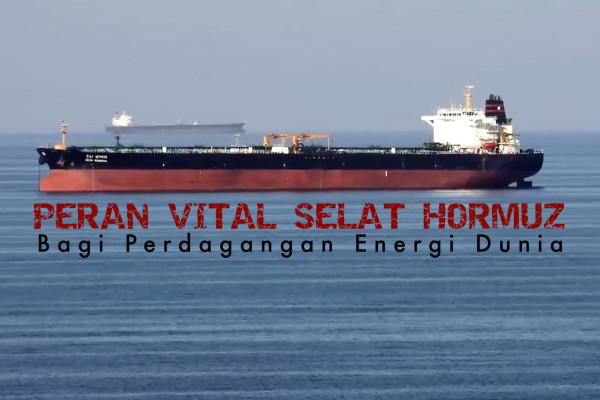
The Strait of Hormuz, a vital shipping corridor in the Middle East, has been unilaterally closed by Iran in response to what it sees as aggression from the United States and Israel, and the region’s inability to curb the conflict. The strait’s maritime route, at its narrowest just 50 to 30 kilometres wide, is the sole corridor for traffic entering and leaving the Persian Gulf. Approximately 200 tanker ships are now blocked, and traffic through the Persian Gulf has fallen by around 80 percent since 1 March. Many countries rely on this strait to supply crude oil, or ‘black gold’, the principal commodity for Middle Eastern nations. The Strait of Hormuz accounts for between 20 and 30 percent of global crude oil and natural gas traffic, amounting to around 20 million barrels per day. What are the global implications of this closure? And what steps is Indonesia taking? More in ANTARA.