
The Urgency of Pesantren Transformation in Indonesia
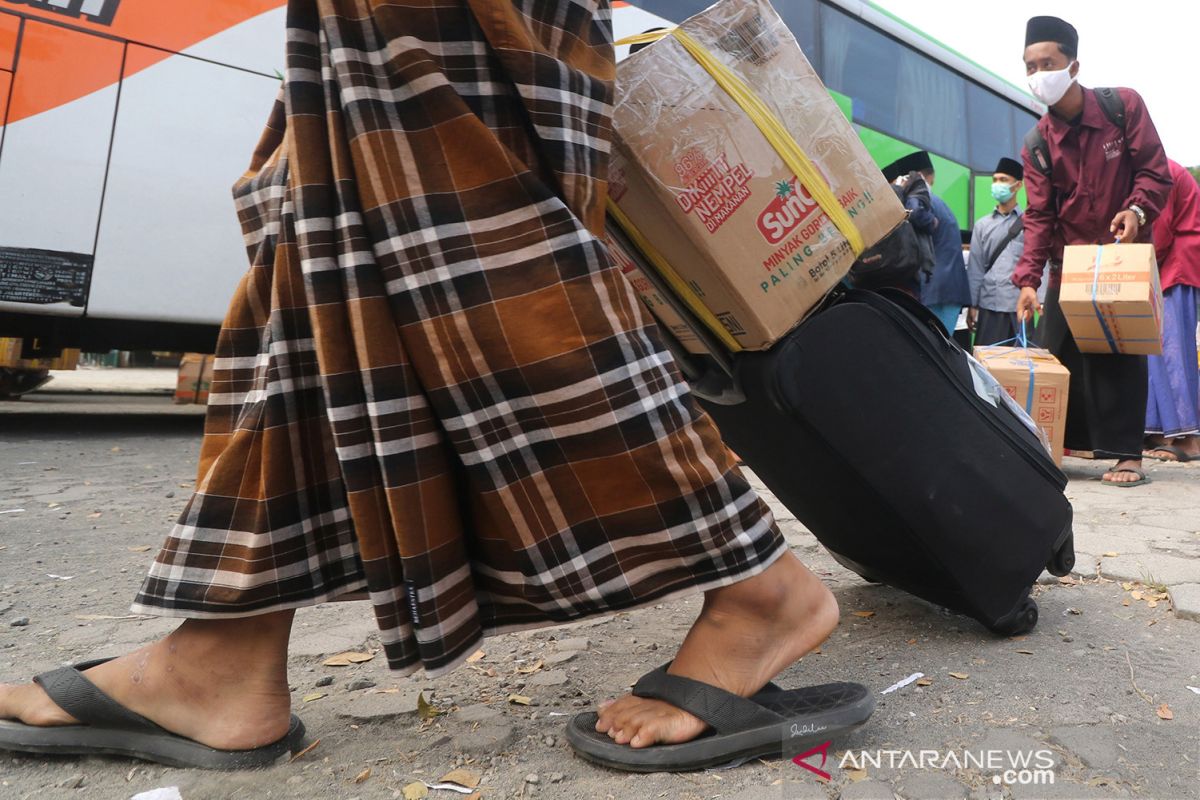
Pesantren are not sufficient in merely producing proficient religious scholars but must also be capable of creating a generation that deeply masters science and technology.
Jakarta (ANTARA) - That night, 14 April 2026, Cirebon felt cooler. There was a special guest at Pesantren Bina Insan Mulia (BIMA). The guest was not a stranger. This was the seventh visit for the esteemed guest.
His name is highly popular. Among Nahdliyin circles, who does not know Kiai Prof Dr KH Asep Saifuddin Chalim. The founder and caretaker of Amanatul Ummah, Mojokerto. A figure long known for consistently promoting educational reforms based on pesantren.
That meeting was not mere nostalgia, but a dialogue touching on an issue long recognised but rarely confronted with courage: that pesantren need to undergo serious and measurable transformation.
In the flowing conversation without formal barriers, there was genuine anxiety felt by many, especially among Nahdliyin.
For a long time, Nahdlatul Ulama (NU) has been known as an organisation with the largest mass base. However, that strength has not always corresponded with the quality of public service infrastructure built.
When other mass organisations can provide flagship hospitals, world-class universities, and modern business units, pesantren as the heart of NU education still lags in integrating knowledge and readiness of human resources in strategic fields.
This issue becomes even more evident when looking at the bureaucracy structure and professionalism at the mid-level.
Many NU cadres have successfully penetrated high political positions, even becoming ministers. However, at the technocratic level such as director generals, directors, and other technical bureaucratic positions, the presence of cadres with a pesantren background remains relatively limited.
This gap is not merely about representation but reflects a competency disparity that has not been fully addressed by the existing education system.
The root of the problem is not simple, but one of the most crucial is the orientation of pesantren education which has so far tended to focus on one dimension.
Deepening religious knowledge remains the main strength that must not be compromised. However, in the context of such rapid times of change, this approach needs to be expanded.
Pesantren are not sufficient in merely producing proficient religious scholars but must also be capable of creating a generation that deeply masters science and technology.
Relevance of Transformation