
The Touchscreen Era Ends, BlackBerry Keyboard Rises from the Grave
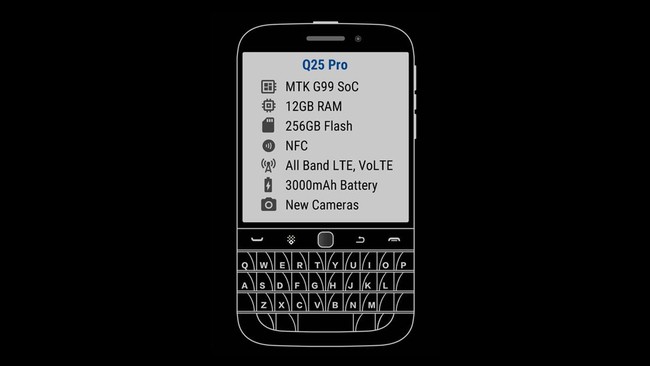
In the midst of the dominance of uniform full-screen smartphones, the trend for physical keyboards like those on BlackBerry devices is regaining popularity. Several technology startups are now attempting to revive the typing experience with physical buttons, which was once considered extinct since the iPhone era began.
Two companies, such as Britain’s Clicks Technology and China’s Unihertz, are starting to launch devices and smartphone accessories with physical keyboards to fill a market niche that turns out to still be alive.
This phenomenon emerges almost two decades after Apple introduced the iPhone in 2007, which transformed the smartphone industry with full touchscreens and gradually pushed physical keyboards out of the mainstream market.
It turns out that fans of square-shaped phones with their signature keyboards remain loyal to the brand. A community with 25,000 members shares tips and memories about the devices.
According to a communications professor at Nanyang Technological University in Singapore, Jung Younbo, this renewed interest reflects a broader pattern as usage becomes increasingly embedded in daily life. In other words, phones are increasingly resembling cyclical fashion trends.
“We tend to use smartphones as a means to express ourselves,” he said, quoting CNBC International on Sunday (10/5/2026).
Meanwhile, one of the founders and Chief Marketing Officer of Clicks Technology, Jeff Gadway, said that for some touchscreen phone users, the appeal is not just nostalgia, but about control. He noted that around 45% of their customer base has never used a phone with a physical keyboard.
“They see it not as nostalgia, but as a completely different new way to use their phones that is more focused,” he told CNBC.
Reducing screen time
It turns out that using phones with physical keyboards can reduce screen time, or the time spent staring at screens. This was stated by 23-year-old content creator Chonnie Alfonso.
The content creator, who usually features retro gadgets on his YouTube channel, said that switching to a keyboard device successfully reduced his screen time.
According to him, doomscrolling is less suitable for square-shaped BlackBerry-style smartphones. Alfonso said switching to a device with a keyboard has helped him spend less time on social media and manage his schedule better.
Gadway from Clicks Technology said that the company’s devices prioritise messaging features and core functions, with the aim of keeping users focused on their original goals rather than being distracted by other apps.
These phones, which feature messaging apps on the home screen, are designed to ensure users do what they originally planned, rather than getting distracted by other activities.
“It’s about making the time you spend on your phone more valuable to you,” he said.
In addition to functionality, these devices also revive features that have largely disappeared from mainstream smartphones.
Gadway said that Clicks offers keyboards in various languages, interchangeable back covers, expandable memory card storage, and a physical 3.5 mm headphone jack, instead of wireless connectivity or features that have mostly been abandoned by modern smartphones.
According to 23-year-old audio enthusiast Wei Lun, having a phone that supports wired headphones has become a practical preference.
“I think the signal doesn’t often get interrupted because when your battery is low, with wireless headphones or earphones, the signal starts to cut out… [wired headphones] are more comfortable,” he said.
Wired headphones are also less likely to get lost compared to wireless earbuds, he said. Additionally, they are cheaper. Apple’s cheapest AirPods model, which connects via Bluetooth, is currently sold for US$129, while their wired headphones are sold for US$19.
It turns out that physical keyboards also attract users with accessibility needs. Gadway said that some people with vision impairments or motor control challenges find it easier to type on physical buttons than on touchscreens, allowing them to regain confidence in daily use.
This keyboard market is also becoming increasingly crowded. Companies like Zinwa Technologies and iKKO are also launching their own keyboard smartphones this year, joining Clicks and Unihertz.
Interest in phones with physical keyboards remains high. Unihertz’s Kickstarter campaign for the second generation of its Titan phone attracted more than 8,200 backers and raised over US$4.8 million as of 8 May, ahead of the campaign’s end date on 13 May.
“Clicks also exceeded its initial six-month pre-order target in 30 days,” the company told CNBC.
However, this segment also faces challenges. The increasing demand for artificial intelligence infrastructure has strained memory supplies, driving up component costs.
Unihertz recently raised the price of its Titan 2, citing higher memory costs. However, Clicks said they plan to maintain prices and absorb the pressure.