
The Three Most Famous Tafsirs of the Qur'an
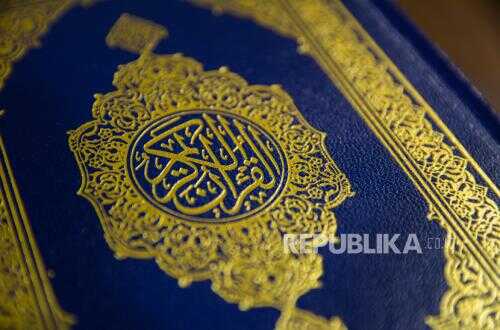
Prophet Muhammad (peace be upon him) was the first to explain, teach, and interpret the Qur’an. The Prophet became the primary reference for tafsir and the go-to source for Muslims during his lifetime. Because of his closeness to the Prophet, the companions came to know the meanings, purposes, and the inner secrets of the holy verses. Among them were Abu Bakr as-Siddiq, Umar ibn al-Khattab, Uthman ibn Affan, Ali ibn Abi Talib, Abdullah ibn Mas’ud, Ibn Abbas, Ubayy ibn Ka’ab, and Zayd ibn Thabit.
From the generation of the Prophet’s companions, Qur’anic interpretation grew further. After the Prophet’s death, they became teachers for the tabi’in. A number of tafsir scholars emerged in Islamic education centres such as in Hijaz, Syria, and Iraq.
Among the most renowned tafsir scholars, three stand out as the principal ones. Their works have had a major influence even to the present. They are Muhammad ibn Jarir al-Tabari (224–310 AH), Abu Abdillah Muhammad ibn Ahmad al-Qurtubi (d. 671 AH), and Imad al-Din Abi Fida’ Isma’il ibn Kathir (d. 774 AH).
Tafsir al-Tabari
Consisting of 12 volumes. This is the oldest Tafsir book. Imam al-Tabari’s work has become a principal reference for mufassirs, especially interpretations using the naqli method or riwayah.
The explanations of the Prophet, the opinions of the companions, and the tabi’in form the main basis of its exposition. The scholars then elaborate it in detail and include sharp analysis.
If in interpreting a verse two or more opinions arise, they are given one by one, complete with the proofs and narrations of the companions and tabi’in supporting each opinion. The author then selects (tarjih) which is stronger in terms of its evidences. In addition, he ties it to jurisprudence when the verse in question relates to legal rulings.