
The Strait of Hormuz Crisis: 22 Tanker Ships Attacked by Iran
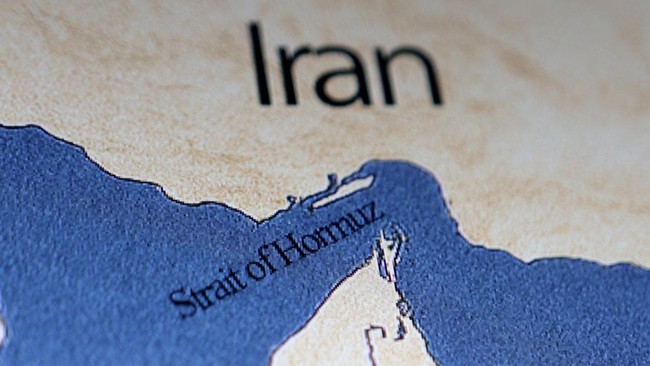
Jakarta, CNBC Indonesia - Tensions in the Persian Gulf region are intensifying as the conflict between the United States and Israel against Iran continues. The conflict no longer impacts only military targets but has begun disrupting civilian maritime routes near the Strait of Hormuz, one of the world’s most critical chokepoints for global energy trade.
The Strait of Hormuz has long been recognised as a vital route for global energy commerce. Approximately one-fifth of global oil supplies and the majority of liquefied natural gas shipments from the Gulf region transit through this passage.
The situation has become increasingly dangerous following warnings from Iran’s Islamic Revolutionary Guard Corps (IRGC) that vessels transiting the narrow strait could become targets of their attacks.
This threat is no longer merely rhetorical. Since US-Israel military operations against Iran began, at least 22 civilian vessels have been reported attacked, including tankers, container ships and bulk carriers by Iranian forces.
Data compiled by the Institute for the Study of War and AEI Critical Threats Project indicates attacks on civilian vessels have occurred repeatedly over recent days, signalling that security risks along the Gulf shipping route continue to escalate. This situation persists despite US President Donald Trump’s claims that the war, which began two weeks ago, has been won.
Recent attacks indicate increasingly serious escalation. On Thursday (12 March 2026), two tanker ships were reported ablaze at an Iraqi port. This incident signals that threats to commercial shipping activities are now tangible and cannot be ignored.
Iran Possesses Multiple Attack Methods Beyond Missiles
The threat to civilian vessels in the Gulf does not originate from a single weapons system. Iran is assessed to possess various tools capable of disrupting navigation around the Strait of Hormuz.
One such weapon is drones or unmanned aerial vehicles (UAVs). In at least two attacks on tanker vessels since the conflict erupted, maritime authorities and analysts have cited both maritime and aerial drones being employed.
This weapon type is considered dangerous because it is relatively inexpensive, can be launched in large numbers, and proves difficult for civilian ships lacking military protection to counter.
Additionally, Iran is assessed to potentially have the capability to lay naval mines across the strait. US intelligence estimates Teheran possesses up to 6,000 mines, ranging from drifting mines, limpet mines, bottom mines, to moored mines. If deployed, these mines could pose a significant threat to merchant and tanker vessels transiting the area.
Another concerning method involves the use of unmanned boats laden with explosives. Such small vessels are designed to approach targets in water before detonating. Attacks of this nature are difficult to detect early and extremely dangerous to civilian ships.
Beyond this, Iran possesses anti-ship missiles positioned along its coastline and on islands facing shipping lanes. This positioning places vessels transiting the region within range of attacks from land.
The World’s Energy Route Grows Increasingly Vulnerable
Escalating attacks on civilian vessels mean that threats to the Strait of Hormuz are no longer theoretical. Should disruptions continue, their impact could extend across multiple sectors, including crude oil distribution, liquefied natural gas, ship insurance costs, logistics expenses, and global energy prices.
In other words, this conflict has become not merely a matter of regional security but also poses a potential threat to global trade stability. As civilian vessels become targets, emerging risks extend beyond interstate warfare to disruption of the vital lifeline of global energy supplies.