
The Story of a Muslim Caretaker at Amurva Bhumi Buddhist Temple
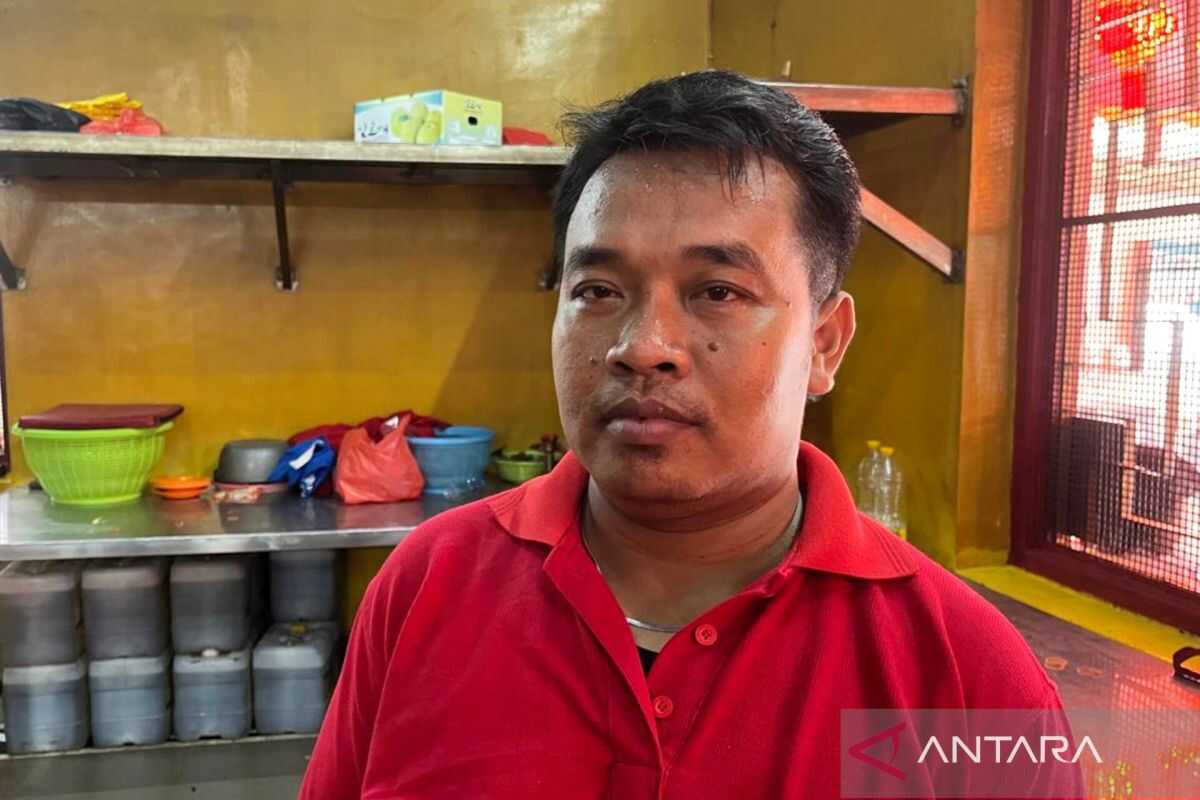
Jakarta (ANTARA) - Amid the festive atmosphere of the Lunar New Year celebrations, activities at Vihara Amurva Bhumi in Setiabudi, South Jakarta, proceeded with both solemnity and warmth. Worshippers arrived in turns to pray, whilst organisers ensured everything ran smoothly.
Behind the bustle stands Zaini Arifin, a biokong — or daily temple caretaker — whose background as a Muslim who has served for 15 years at the Buddhist place of worship has drawn attention.
Met during the Lunar New Year festivities, Zaini appeared busy yet remained affable in answering questions. When asked about the preparations already undertaken, he said he had bathed the rupang, or sacred deity statues at the temple, which are cleaned as part of the celebration preparations.
As daily caretaker, Zaini explained his role as biokong, which he likened to the position of a marbot (caretaker) at a mosque.
Zaini’s journey to becoming a biokong began in the culinary world. Before working at the temple, he was a chef at a Chinese restaurant.
“It started when my boss brought me here. I used to cook at a Chinese restaurant, then I was asked to cook at the temple,” he said.
From that point, his life changed. He not only cooked but also came to understand the worship practices and traditions of people from different religious backgrounds.
Despite being Muslim, Zaini said he has gained invaluable experience during his time working at the temple.
“I can serve the Buddhist congregation. I’ve learnt about Buddhist and Chinese traditions. I’ve been taught the worship procedures as well,” he said.
Zaini’s presence serves as a tangible illustration of religious tolerance within urban society. He lives at the temple and is there every day to ensure smooth operations.
Temple visitors come from various areas, ranging from around Jakarta to cities further afield such as Bandung, Cirebon, and the Petak Sembilan district.
Beyond managing operations, Zaini is also responsible for preparing food for worshippers and fellow staff, which has become an attraction in its own right.
During the Lunar New Year celebrations, one signature dish is Lomie Karet. “On the day of Imlek itself, it’s Lomie Karet,” he said.
For other special occasions, the temple’s signature fare includes nasi uduk, braised tofu, braised eggs, fried vermicelli, and bala-bala fritters.
This year, the Lunar New Year celebrations fall close to Ramadan. As a Muslim who also serves as the temple’s cook, Zaini faces a particular challenge. He said he still intends to observe the fast, despite his work frequently requiring him to taste dishes.
Yet he remains realistic about his working conditions. “I probably won’t be able to manage it — maybe just the first day of breaking fast. My workload is simply too heavy.”
At 38 years of age, Zaini has spent the greater part of his adult life within the temple grounds. His dedication has made him not merely an employee, but part of the community’s fabric.
Zaini’s story demonstrates how places of worship serve not only as spiritual spaces but also as meeting grounds for people of different backgrounds.
In his daily life, he fulfils the role of a practical bridge between the congregation’s needs, cultural traditions, and the temple’s operational activities. He cooks, serves, cleans, and maintains a comfortable atmosphere for visitors.
Amid celebrations filled with symbols of fortune and new hopes, Zaini’s presence stands as a simple yet powerful reflection of Indonesia’s diversity.
Without many words, he goes about his daily life with an attitude of mutual respect between religious communities.
Arifin is proof that a Muslim can work wholeheartedly at a Buddhist temple for over a decade whilst preserving his own faith.
Among the aromas of cooking, the sounds of prayer, and the bustle of celebration, his story serves as a reminder that diversity can manifest in everyday forms.
At Vihara Amurva Bhumi, that story continues every day, around the clock, much like the temple doors that remain open to all who come.