
The Story of a Beduk Skin Merchant: Preserving Tradition Amid the Technological Onslaught
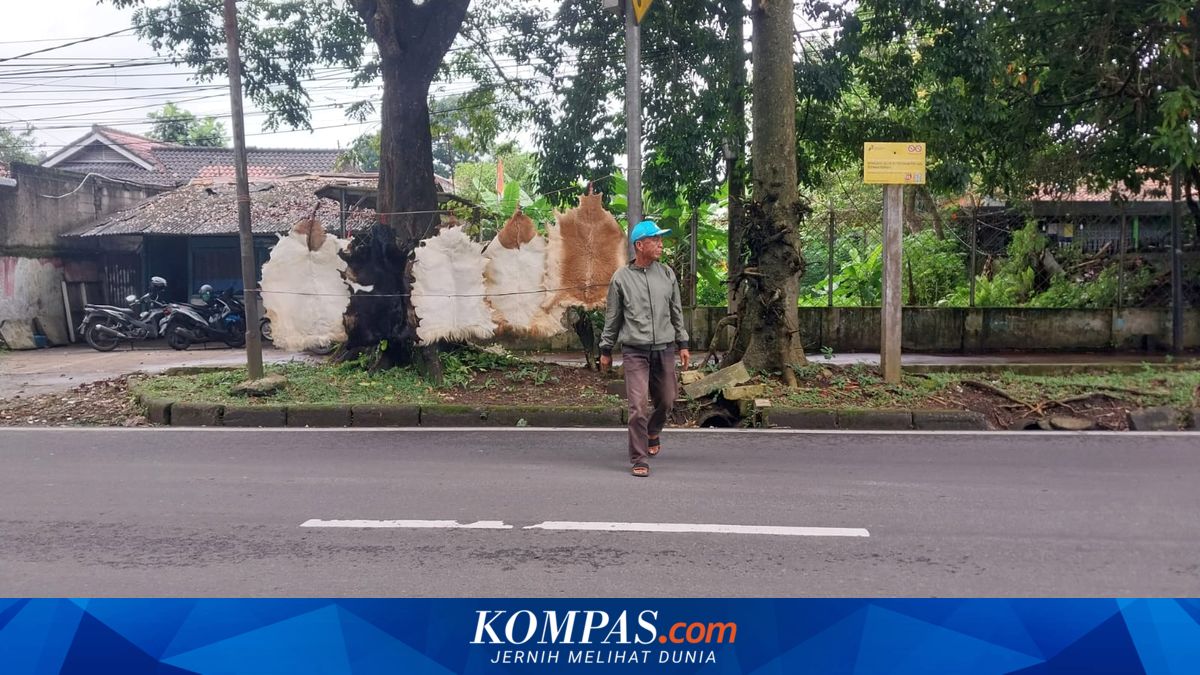
Bogor — Beduk skin merchants have begun appearing on Jalan Pemuda in Bogor City. The Javanese goat hides are hung on strings and along the outer fences of factories in the area.
Selling beduk skins has become a seasonal activity ahead of Eid al-Fitr, supplementing family income during the festive season. In addition to reminding Muslims of prayer times, the beduk is traditionally used during takbiran celebrations, the evening festivities before Eid.
However, the beduk is increasingly being displaced by sound systems that broadcast takbir recitations to enliven the atmosphere of takbiran nights. This is despite the beduk being an established tradition for both Eid al-Fitr and Eid al-Adha celebrations.
“The beduk is a tradition. Without the beduk, takbiran nights would be quiet. People certainly beat the beduk to welcome the festive day,” said Eman when met by Kompas.com on Sunday, 8 March 2026.
The displacement of the beduk by modern technology is erasing the distinctive character of Eid celebrations. Moreover, preserving the beduk tradition could help young people maintain the spiritual atmosphere of their neighbourhood mosques.
“In my view, when there’s no distinctive character, there’s no artistry. Young people no longer want to go and beat the beduk,” he explained.
To preserve this tradition, Eman has prepared a stock of approximately 250–300 cow and goat hides this year. He began preparing hundreds of beduk hides about three weeks before the start of Ramadhan, sourcing the hides from slaughterhouses and Ciampea Market.
He sells goat hides at varying prices, ranging from 120,000 to 150,000 rupiah, whilst cow hides are priced at 400,000 rupiah. Eman provides beduk sizes made from drums with a 90-centimetre diameter. He brings 10 hides for sale each day.
Last year, Eman stocked 250 hides. The increase this year is because many other merchants have not had time to dry their hides properly.