
The Steadfastness of Our Surau
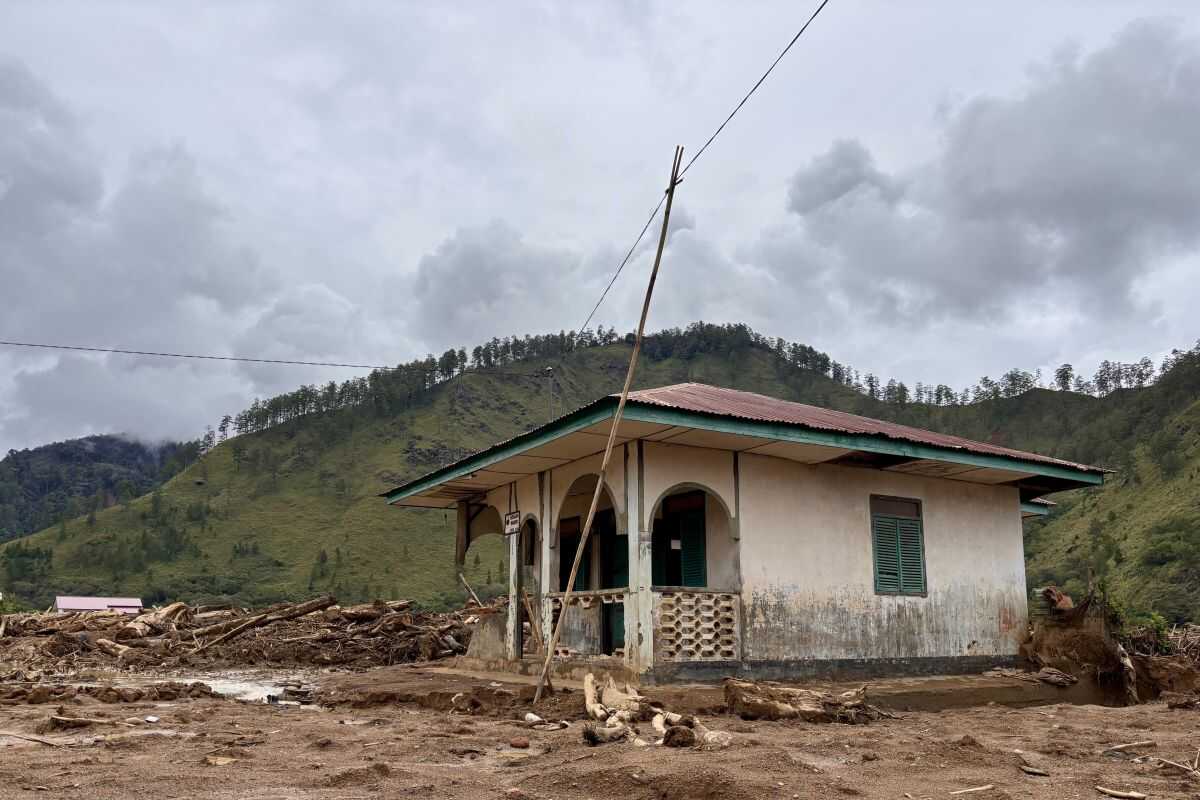
Central Aceh (ANTARA) — In 1956, the writer Ali Akbar Navis, better known by his pen name AA Navis, burst onto the Indonesian literary stage with his short story entitled “Robohnya Surau Kami” (The Collapse of Our Surau).
The short story went on to become one of the monumental works in the history of Indonesian literature and remains a subject of discussion to this day.
“Robohnya Surau Kami” is now 60 years old, yet it continues to serve as material for reflection and debate both in academic circles and literary community dialogues.
Why does the short story remain relevant to the present day? One certain conclusion is that AA Navis succeeded in capturing the face of Indonesia at that time with profound bitterness.
“Robohnya Surau Kami” tells the story of a muezzin at a small surau (prayer house) who is called “Kakek” (Grandfather).
Throughout his life, Kakek always walked the straight path in accordance with Islamic teachings. He never missed a prayer. Nor did he ever do wrong to his fellow man.
The problem arises when Ajo Sidi spins a tale suggesting that paradise may not necessarily belong to Kakek, despite his devout worship and dedication of his entire life as guardian of the surau.
This fabrication haunts Kakek’s mind to such an extent that he slits his own throat, unable to bear the illusory reality conjured by Ajo Sidi.
AA Navis appears to have been critiquing the social landscape of that era — religious fanaticism to the point of neglecting social responsibility.
The issue raised by this Padang-born writer remains relevant to this day: how human beings seek their existential purpose in drawing closer to God.
This portrait is affirmed by Imam Hamka, a survivor of the Sumatran flood disaster.
Without proclaiming himself to be learned — unlike many people today who seek to assert their existence by flaunting knowledge on social media — Imam Hamka chose the quiet path. The quiet path called service.