
The Shifting Purpose of Holiday Allowances: Beyond Eid Shopping to Debt Repayment and Emergency Funds
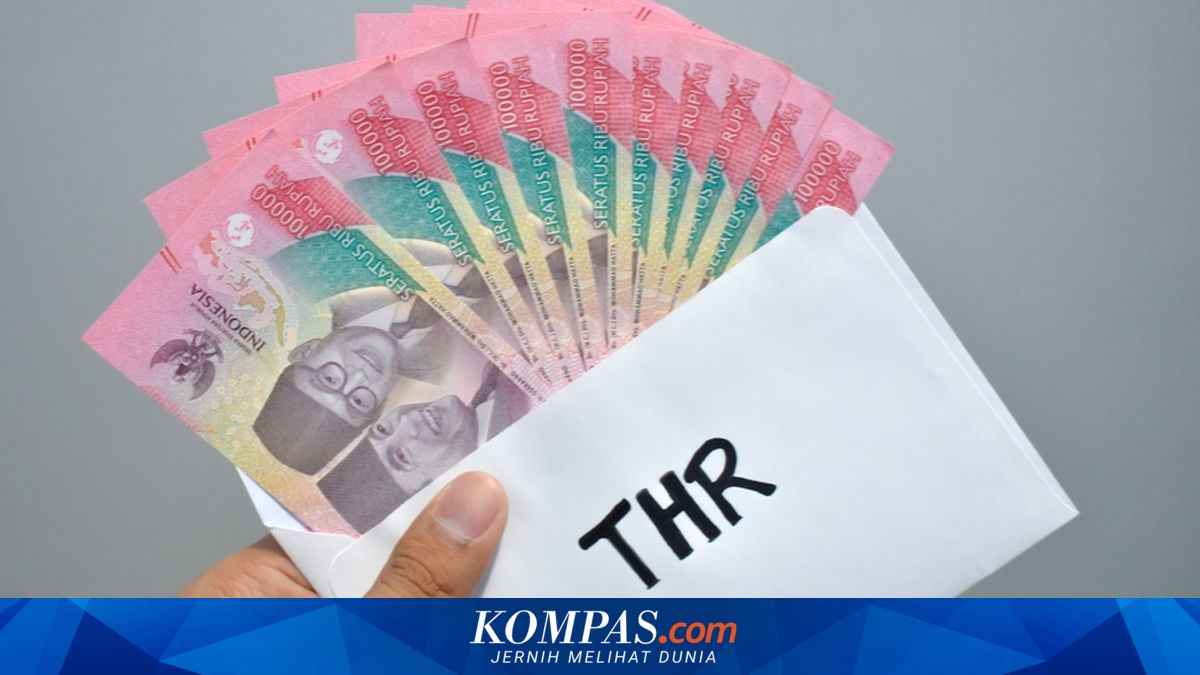
JAKARTA — Holiday allowances (Tunjangan Hari Raya or THR) are conventionally used to meet expenses ahead of Eid celebrations. However, THR can also be allocated to other needs, ranging from debt repayment to building emergency savings after Eid.
Independent financial planner Andy Nugroho explained that, true to its name, THR should predominantly be allocated for Eid-related expenses. “For instance, purchasing festive snacks and food, buying Eid clothing if needed, money gifts for relatives and neighbours, and expenses for visiting or reconnecting with family members if you plan to do so,” he said.
Nevertheless, he noted that THR can also be used to meet other needs or settle short-term debts that must be paid. “It would therefore be more prudent to set aside a portion of THR for savings,” he added.
To illustrate, Andy shared a method for calculating THR allocation percentages for various needs. A working person can set aside 10 per cent of THR for savings and 10 per cent as a reserve fund for expenses after Eid. Additionally, people can allocate 10 per cent towards debt instalments. The remaining 70 per cent can be used for various Eid expenses.
“This scheme is certainly not a fixed calculation that cannot be adjusted, as it can still be revised according to individual needs and circumstances,” he added.
For example, Andy noted, when families do not travel home for Eid, the budget for celebrations should logically decrease, and this reduction can be transferred to savings or post-Eid emergency funds. “Conversely, you could allocate more if you can settle all your debts at once, reducing the allocation for other needs,” he concluded.
He explained that household budgeting when receiving THR can be divided into three categories: mandatory expenses, needs, and wants.
During Ramadhan, mandatory obligations include Zakat al-Fitr or Zakat al-Mal, which can be paid using THR money. Additionally, another financial obligation is debt repayment, particularly consumer debt. “Prioritise paying debts first—you can pay part of it or pay it off entirely,” he said.
Other Eid-related needs include food items, which typically experience price increases during Eid. For families with household helpers, paying the helper’s THR can also be factored into THR budgeting.
“Needs can also include investments and savings, which can absolutely come from THR money,” he noted.
Specifically for savings, financial planning typically recommends allocating 10–20 per cent. Finally, THR can be used to fulfil wants, such as new clothes, cakes, or hampers. “So the budget for wants should only come from surplus funds after mandatory expenses and needs have been met,” he concluded.