
The 'Shariah' Rupiah and Indonesia's New Path to Monetary Sovereignty
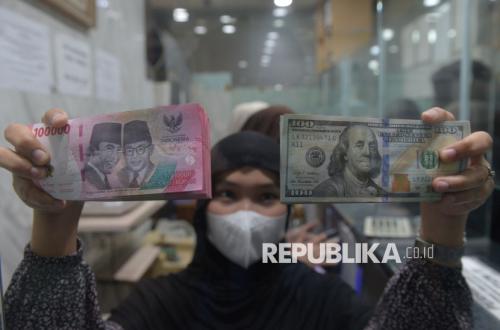
In the global economic landscape, money is never truly neutral. It is always linked to power, interests, and even tactical weapons of global economic domination.
Modern history illustrates how the dominance of currencies, particularly the US dollar, was not only built through market forces but also safeguarded through complex geopolitical strategies. Since the abandonment of the gold standard in 1971, the dollar has endured not because it is backed by real assets, but by high-level political intrigue reinforced through strategic agreements, especially in global energy trade.
One of its main pillars is the petrodollar system, in which the world’s oil is traded in dollars. This scheme creates global dependence on that currency. From a critical perspective, this pattern does not always proceed without resistance.
When Iraq under Saddam Hussein attempted to switch its oil transactions to the euro in the early 2000s, a military invasion occurred a few years later that toppled the regime on the grounds that the country possessed weapons of mass destruction, which have not been found to this day. A similar event occurred with Libya, when Muammar Gaddafi proposed a gold-backed dinar for energy transactions in the African region. NATO’s military intervention in 2011 ended that discourse by overthrowing the ruling regime.
Even now, Iran faces global economic and financial sanctions from the United States, up to large-scale military invasion, because Iran has openly and boldly opposed the dollar system and built a new non-dollar transaction system, even creating an energy trade route outside the global system through its control of the Strait of Hormuz, which is a vital access point for about 20% of the world’s energy logistics via this route.
In popular narrative, this phenomenon is sharply summarised by Robert Kiyosaki: “Currency funds the military, military protects the currency.” This statement may sound simplistic, but it implies the reality that the global monetary system is not entirely free from power interests. Currency is not just a medium of exchange, but also an instrument of influence.
Amid these dynamics, Indonesia faces strategic choices. As a country with abundant natural resources, especially gold, nickel, coal, as well as flagship commodities like palm oil and spices, Indonesia actually has great potential to escape its position as merely a “price taker” in the global system. However, that potential has not yet been fully converted into monetary sovereignty.
This is where the concept of a “Shariah Rupiah based on gold and commodities” finds its relevance. In Shariah economics, money must not become a speculative entity detached from real value as an “underlying asset” that must serve as a reference. It must have a clear basis, free from usury, and not become a tool of systemic exploitation. By linking the value of the rupiah to gold reserves and strategic commodities, Indonesia can strengthen currency stability while enhancing its bargaining position in international trade.