
The Serenity of Ramadan in Cireundeu Traditional Village
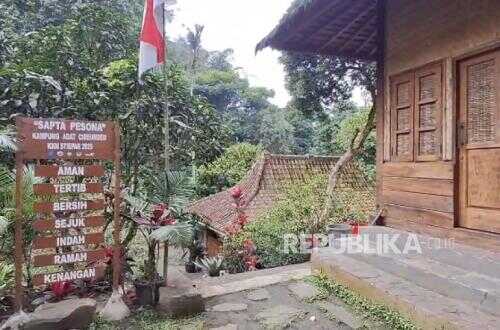
CIMAHI — A vivid portrait of religious tolerance is on display at Kampung Adat Cireundeu in Leuwigajah subdistrict, South Cimahi, Cimahi City, West Java. Followers of the Sunda Wiwitan belief system live in harmony alongside the Muslim community there.
The month of Ramadan 1447 Hijriah has become yet another occasion to showcase the spirit of tolerance between religious communities. When Muslims fast, those who do not observe the ritual respectfully honour their neighbours’ practice.
A cool and peaceful atmosphere was immediately palpable when Republika set foot in Kampung Adat Cireundeu on Monday (23/2/2026). The village retains its lush character, surrounded by various trees. Without any multi-storey buildings, residents there appear to enjoy life in tranquillity.
The adherents of this belief system — which emphasises the relationship between humankind and the Creator through harmony with nature — are few in number, totalling only around 300 people. Some have even chosen to convert to other faiths for various reasons.
“Here in Kampung Adat Cireundeu, things run well. We mutually respect one another’s teachings and those of other religions. So the indigenous community here, even though they do not fast, maintain proper etiquette and respect those who do,” said Abah Widi, the Ais Pangampih (cultural leader) of Kampung Adat Cireundeu.
Abah Widi recounted the beauty of tolerance in his village, which has been preserved since time immemorial. Kampung Adat Cireundeu is estimated to have existed since the 16th century, or roughly 500 years ago. The existence of the traditional village is supported by research into foundation stones from houses of that era.
The elders or karuhun (ancestors) associated with the village include Eyang Nursalam, Eyang Ama, and Aki Madrais, who are credited with establishing the lembur, or settlement, at that time. Abah Widi believes the Sunda Wiwitan faith has existed since then, passed down through successive generations of children, grandchildren and great-grandchildren. The belief continues to be nurtured by its hundreds of adherents.