
The Secret of Kalimantan's Fanged Frogs: Are There Really Dozens of Hidden Species?
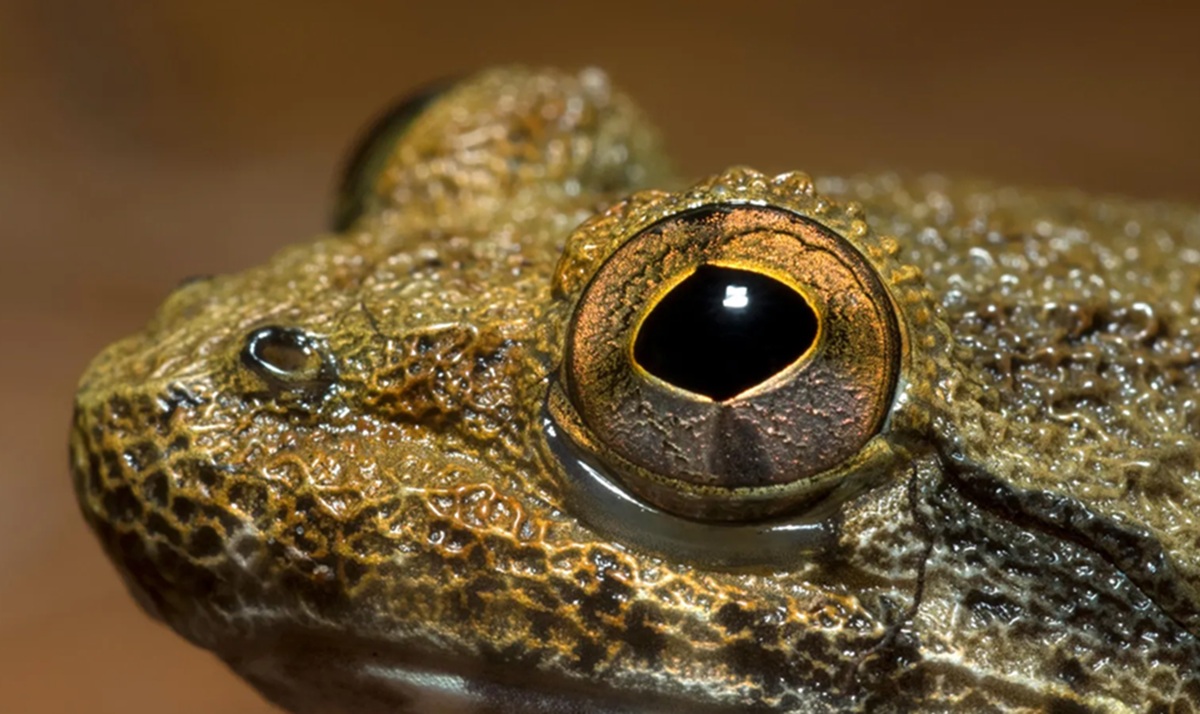
In the world of science, the discovery of new species is often imagined as a dramatic adventure undertaken by an explorer in remote jungle wilderness. However, reality often falls far short of this glamorous impression. Many new species are actually discovered at laboratory benches through genetic code analysis of animals long known to humanity.
Chan Kin Onn, a herpetologist from Michigan State University (MSU), explains that modern genetic technology now enables scientists to uncover “cryptic species” – animals that appear physically identical yet are genetically very different. One of his primary focuses is a group of small brown frogs from Southeast Asia known as the Kalimantan fanged frog.
“Most people have an image of brave explorers conquering isolated mountains or other remote places and inadvertently discovering creatures no one has ever seen before,” Chan said. However, he adds, “The actual process is often far less glamorous.”
The fanged frog, named for the tusk-like protrusions on its jaw, has become the subject of intensive research. One member of this group, Limnonectes kuhlii, has been known since 1838. Over the past two decades, genetic research suggested that what appeared to be a single species might actually comprise 18 different species.
To test this claim, Chan and his team collected DNA from specimens in the mountain rainforests of eastern Malaysia (Borneo). They examined more than 13,000 genes across the entire frog genome. The results, published in the journal Systematic Biology, revealed a more moderate figure.
“It is not just one species. But it is also not 18 species,” Chan stated firmly. Genetic evidence indicates that only around six to seven groups qualify as truly distinct species.
Determining the number of species is not merely an academic debate but has real consequences for nature conservation. Amphibians currently face the most serious extinction threat among vertebrate groups. A 2023 analysis of 8,000 amphibian species showed that two out of five species are threatened with extinction.
Chan emphasises that naming species is the first step towards protecting them. “There are so many species in the world that we still have not discovered, and they could go extinct before we manage to give them names,” he said.
However, he also warns against the danger of splitting species too aggressively. If one group of animals is divided into too many small species, this can make their conservation status appear more severe than it actually is geographically.
“We cannot possibly conserve everything, so we must triage and decide how to allocate our limited resources to what we consider the highest priorities,” Chan explained.
The research also found significant gene flow or interbreeding among the frog groups. This phenomenon blurs the sharp boundaries that scientists normally use to define a species.
The Kalimantan fanged frog serves as evidence that the formation of new species rarely occurs suddenly. “It is not like suddenly, ‘boom’. It is more of a continuum,” Chan observed.
The study demonstrates that behind DNA technology advances, there remains a “grey zone” in the evolutionary process that challenges scientists to be more prudent in drawing boundaries between one species and another.