
The Season of Charity Testing the City
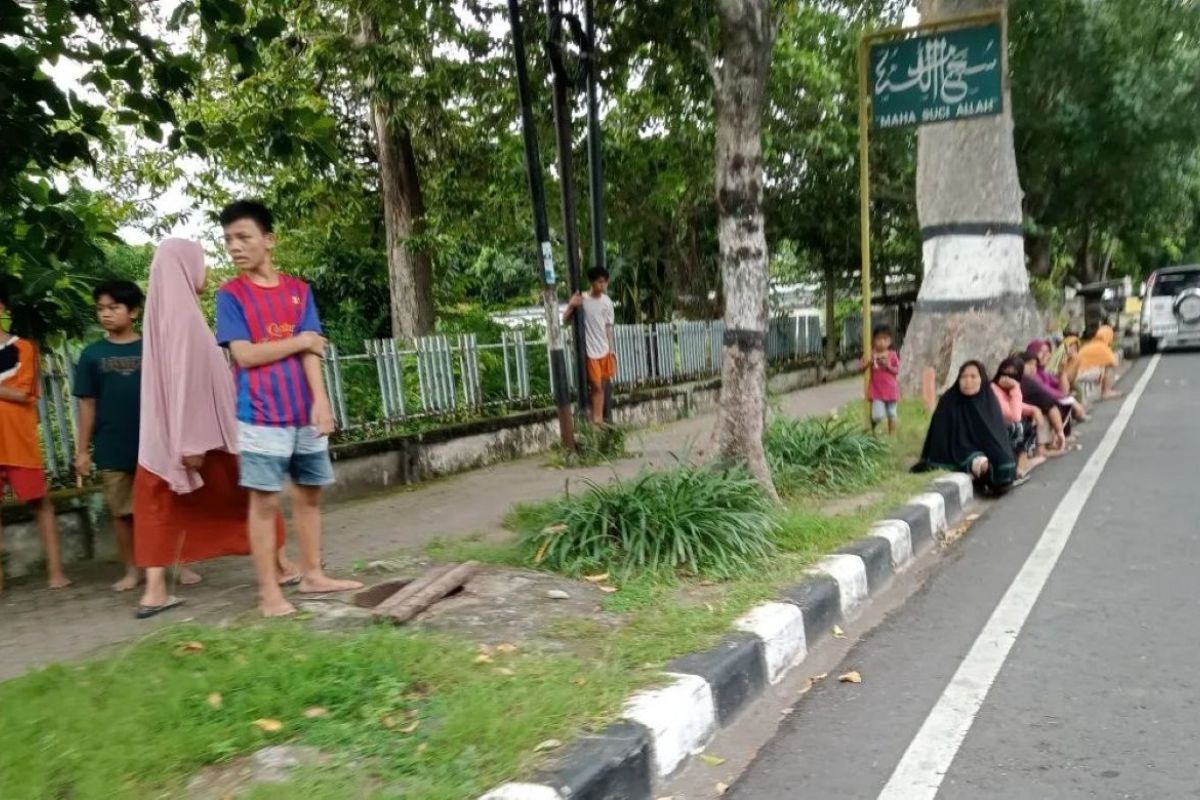
Mataram (ANTARA) – The sunset is warm on Langko Street in Mataram City, West Nusa Tenggara (NTB). Traffic moves slowly, crowded with residents heading home from work or preparing for Eid al-Fitr 1447 Hijriah/2026 CE.
The traffic light turns amber, horns sound in succession. Yet there is a striking sight: a figure painted entirely in metallic silver, standing rigidly upright, extending a collection box before motorists.
On the pavement, a woman with a small child sits motionless, waiting for mercy. Not far away, teenage children walk back and forth, hoping for help.
This phenomenon repeats each time Ramadan enters its final phase. The emergence of beggar groups, human statues, street children, and vagrant persons has become part of the social dynamics of this city.
Mataram City Government has intensified surveillance, even tightening patrols of PMKS (Social Welfare Problem Bearers) ahead of Lebaran. However, behind enforcement efforts lies a deeper structural issue demanding examination.
The seasonal PMKS phenomenon is not merely a reflection of declining public morality, nor simply a law-and-order matter. It is a mirror of unresolved socio-economic conditions, particularly when demand for decent work and access to welfare remain limited.
Mataram City Government has documented a tendency for increased activity among street children, vagrants, and beggars as Ramadan approaches Eid al-Fitr. The Social Services Agency has even found indications of mobilisation of people from outside the region coming to Mataram to “operate” at crowded locations to solicit alms.
Patrols by the social task force are reported to be increasingly intensive. Working hours have been extended from 7:00 am to 5:00 am WITA. Certain locations such as Udayana Street, Panjitilar, Pendidikan, and Langko have become gathering points for PMKS activities.
This phenomenon is not new. Since last year, similar PMKS activities have increased significantly during certain periods. However, its unique characteristic is its seasonal nature and occasional involvement of perpetrators from outside the region, making it a complex cross-regional problem.
This phenomenon does not emerge without cause. On one hand, Ramadan and the approach to Lebaran represent a tradition of sharing. The values of mutual cooperation and charitable giving form part of community culture.
On the other hand, economic conditions not yet recovered from the pandemic, inadequate minimum wages, and limited formal employment opportunities drive some individuals to seek “quick ways” to earn spare change on the street.
From a behavioural economics perspective, this action becomes a misguided yet pragmatic survival strategy.
The seasonal PMKS phenomenon is not merely a problem that passes with Ramadan. It is a call to strengthen social safety nets, redesign welfare policies, and cultivate love for one another within the framework of the Unitary State of the Republic of Indonesia.