
The Scent of Tempeh from Cilincing that Sustains Families and Workers
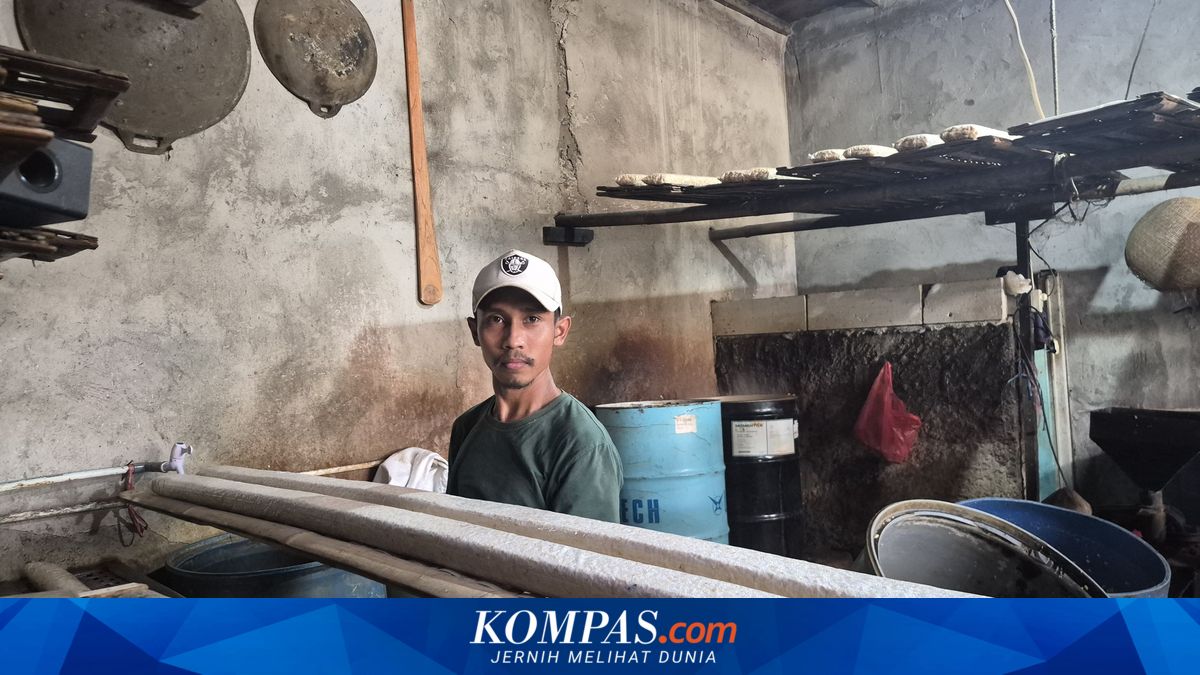
In a corner of the densely populated Cilincing neighbourhood in North Jakarta, the aroma of fermenting soybeans wafts daily from the simple garage of Anto’s home (38). From there, the home-based tempeh business, established since 1981, not only serves as a livelihood for the family but also creates jobs for others. For Anto, the tempeh business is more than just work; it is the breath of life passed down from his parents. “Besides that, I feel more comfortable being a tempeh artisan than working in a factory because it’s freer, with no pressure from superiors,” Anto told Kompas.com on Friday (24/4/2026). That decision was also influenced by his experience working in a factory, which he believes brought little change to his life. “I’ve worked in a factory for about 10 years, and it was just the same old thing,” he revealed. Daily, from his home garage, Anto produces around 40 to 60 long tempeh strips, each up to 2.4 metres in length, from 100 kilograms of soybeans. Most of the tempeh is sold to market traders, while the rest he sells himself at the nearby market to supplement his income. From this business, Anto can achieve a turnover of about Rp 1.7 million per day, or approximately Rp 51 million per month. “The daily turnover can reach Rp 1.7 million,” said Anto. Behind this business, the home-based tempeh factory also benefits others. The employee is a migrant from Pemalang, Central Java, who lives on-site at the business location, thus avoiding rental costs.