
The Savoury Venture of the Aura Cempaka Village-Owned Enterprise's Quail Egg Business in Badung
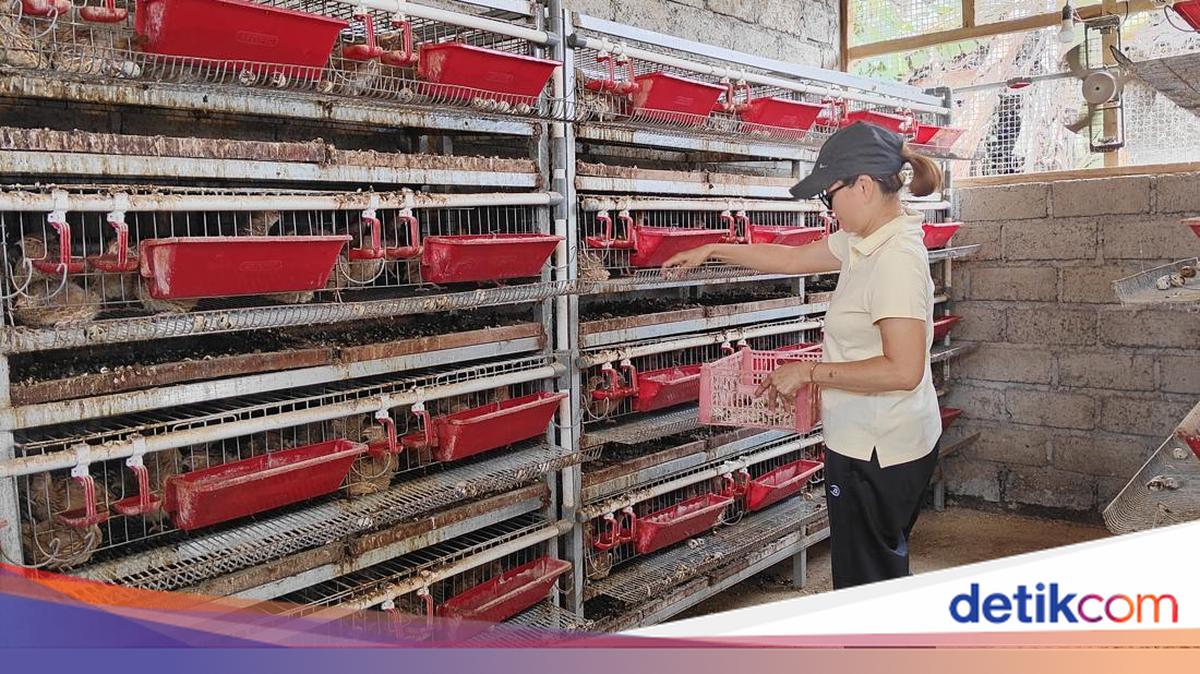
Daily activities at the Aura Cempaka Village-Owned Enterprise in Sibang Kaja Village, Abiansemal Subdistrict, Badung, are now enlivened by thousands of quails capable of producing dozens of crates of eggs every morning. The 1,600 quails managed independently by local residents have become a new pillar for stimulating the village economy.
“Per day, it produces 15 to 17 crates of eggs, with each crate containing 90 eggs. For marketing, we already have two regular collectors who routinely take the production,” said the Chair of the Aura Cempaka Village-Owned Enterprise, Komang Trisnawati, on Friday (27/3/2026).
Although it experienced difficult times at the start of operations, this business unit is now showing positive trends with steadily increasing monthly net profits, though not spectacular. Entering the seventh month since it began in August 2025, net income has now exceeded Rp1 million, after previously recording losses in the early months.
“In the first and second months, we were indeed still in the red, but from the third month, we could get around one million rupiah net. Now it’s the seventh month; hopefully, the results will be even better for the village,” said Trisna.
The village-owned enterprise management applies a staggered rearing system to maintain egg stock stability in the market and avoid mass production drops when the birds enter unproductive periods. This strategy involves periodically adding to the population, including plans to add 700 more quails soon to reach a total of 2,000 birds in line with the village programme.
“We deliberately rear them in stages so that their culling periods do not coincide, ensuring egg production remains stable and stock does not run out. If we run 2,000 birds at once, then when the peak period passes, production drops drastically and we have no stock left,” she explained.
In terms of operations, feed costs are the largest expense component, while health care and environmental hygiene are relatively easier to manage. The managers routinely provide special supplements, ensuring the birds’ droppings remain dry and do not cause disturbing odours in the surrounding residential areas near the cages.
“The biggest cost is indeed feed; medications are relatively easy, and we routinely administer them so the droppings stay dry and odour-free. The selling price to collectors fluctuates with the market, ranging from Rp31,000 to a high of Rp37,000 per crate,” said Komang Trisnawati.
Quail egg marketing extends to various small and medium enterprises. Besides the eggs, quails that have passed their productive period of 12 to 15 months still hold economic value as culled birds.
“Besides to local shops and grocers, our eggs also reach retailers. Then, when the birds enter the culling phase after more than a year, they are still sellable, and the proceeds are quite decent,” concluded Komang Trisnawati.