
The Ruling on Visiting Graves Before Ramadan According to Buya Yahya
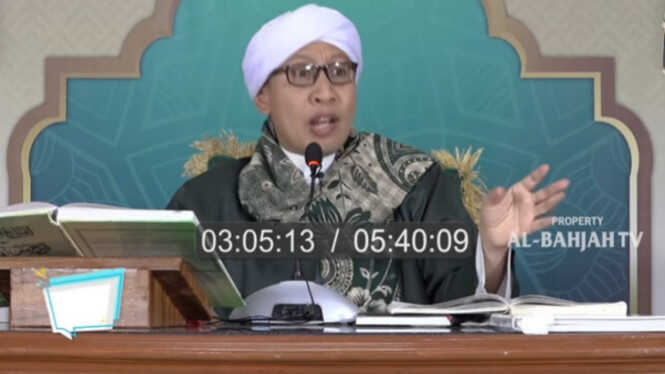
Jakarta, VIVA – As the holy month of Ramadan approaches, the tradition of visiting graves has once again become a common practice across various regions in Indonesia. Many families visit the graves of parents or relatives to pray and remember the bonds they once shared. So what is the actual Islamic ruling on visiting graves before Ramadan?
Buya Yahya explained that welcoming Ramadan requires not only physical preparation but also thorough spiritual readiness. He emphasised the importance of building good relationships with fellow human beings before entering the month of forgiveness.
“To welcome the month of Ramadan, we must prepare both outwardly and inwardly,” said Buya Yahya, as quoted from YouTube Al-Bahjah TV on Monday, 16 February 2026.
According to him, spiritual preparation is the primary concern. Ramadan is not merely about enduring hunger and thirst but also serves as a moment to improve social relationships. He noted that the practice of fasting is closely linked to one’s conduct towards others.
“Fasting must be accompanied by good relationships with fellow human beings. Therefore, we need to strengthen our bonds of kinship before the month of Ramadan arrives,” he added.
It is from this principle that the traditions of seeking forgiveness from one another, sharing food with neighbours, and strengthening family ties become an important part of welcoming Ramadan. Buya Yahya also reminded Muslims not to enter Ramadan whilst still harbouring enmity or hatred.
Buya Yahya affirmed that visiting graves can serve as a reminder of the hereafter. This means that grave visitation is permissible and even considered sunnah, as it reminds people of the afterlife. The tradition is not prohibited, including when carried out before Ramadan, provided that proper etiquette and sharia provisions are observed.
“Because visiting graves reminds us of the hereafter,” said Buya Yahya.
“It is not wrong to visit graves. Whether it becomes a habit before or after Ramadan — because grave visitation is taught and encouraged at any time, provided of course that certain conditions are met,” he added.
Furthermore, visiting graves can also serve as a moment of reflection. Remembering parents or family members who have passed away can motivate individuals to mend relationships with living relatives. Indeed, visiting graves together as a family can serve as a means of strengthening bonds of kinship.