
The Roles of Parents Versus Grandparents in Child-Rearing: Communication is Key
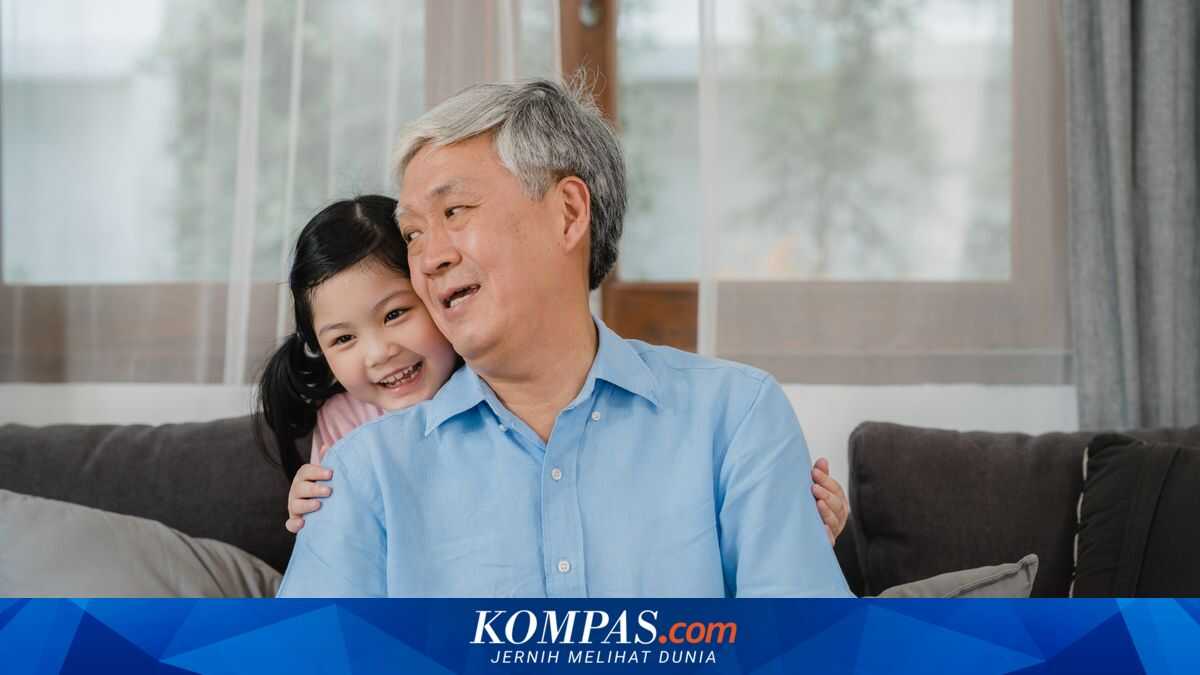
Differences in parenting approaches between parents and grandparents often trigger tensions within families.
Clinical psychologist Yustinus Joko Dwi Nugroho, M.Psi., from DR Oen Solo Baru Hospital, states that clear role delineation is essential to prevent intergenerational conflict.
Speaking to Kompas.com on Tuesday (24 February 2026), Joko explained that grandparents and parents have distinct roles in child-rearing.
“As parents, they bear responsibility for character formation and discipline,” he said.
Grandparents are not primary caregivers and therefore do not occupy the primary decision-making position. This difference in responsibility must be understood collectively to prevent role overlap.
“Grandparents’ role is primarily to provide emotional support, not primary care-giving,” he stated.
The warmer approach from grandparents does not mean assuming parental responsibilities. Rather, such a role can complement the child’s emotional needs within the extended family.
Grandparents are also expected to respect these boundaries to prevent confusing behavioural inconsistencies for the child.
Clear role agreements help create a consistent environment for the child’s development.
Joko also warned against competition in demonstrating affection.
The primary focus must remain on the child’s best interests, not on proving who is correct or more loving.
He emphasised the importance of inter-generational validation. Simple acknowledgement of past parenting patterns can help ease tension and improve family relationships.
Clear role delineation, open communication, and mutual respect are essential to maintaining harmony between parents and grandparents in child-rearing.