
The Role of Tugboats in the Strait of Hormuz: Navigating the World's Most Dangerous Maritime Route
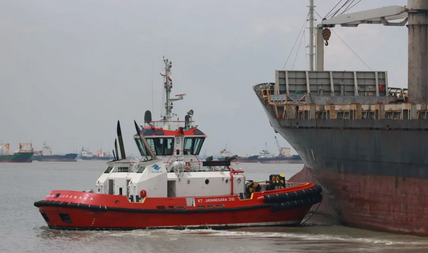
The Strait of Hormuz remains the most critical and dangerous point on the global maritime map in 2026. Behind the movement of giant tankers carrying 20% of the world’s oil supply, there are frontline heroes facing extraordinary risk: tugboats.
In a region with strong currents and extremely busy traffic such as the Strait of Hormuz, tugboats are no longer merely docking aids. Their role has evolved into:
On 6 March 2026, a tragic incident struck the UAE-flagged tug Mussafah 2. The vessel was reported to have exploded and sunk in waters between the UAE and Oman while carrying out a relief mission. The incident drew serious attention from the Indonesian government because four of the seven crew members were Indonesian citizens (WNI).
Initial reports indicate that the vessel was believed to have been hit by a projectile as it attempted to approach the container ship Safeen Prestige, which had already been immobilised. The incident underscores that in conflict zones, tugboats that are non-combatant are not immune from military threats.
Working aboard tugboats in the Strait of Hormuz now involves risks far more complex than in previous years:
Some tug operators are now collaborating with regional navies or international coalitions to obtain protection when conducting rescue operations at vulnerable points.
The Indonesian government, through the Indonesian Embassy in Abu Dhabi and Muscat, continues to monitor the safety of Indonesian nationals. In emergencies such as the March 2026 incident, search-and-rescue (SAR) coordination is conducted with local authorities.
If tugboats cease operations due to security risks, tankers cannot berth or depart major ports safely. This causes logistical bottlenecks that directly trigger spikes in global crude oil prices.
Tugboats in the Strait of Hormuz are a vital element in maintaining global energy stability. Yet in 2026 they face existential challenges. International legal protection for support vessels and safety guarantees for sailors, including Indonesian crew members, must be a top priority for the international community to prevent total paralysis of this strategically critical maritime lane.