
The Role of Kharg Island: Iran's Oil Export Heart Under Threat from US Attacks
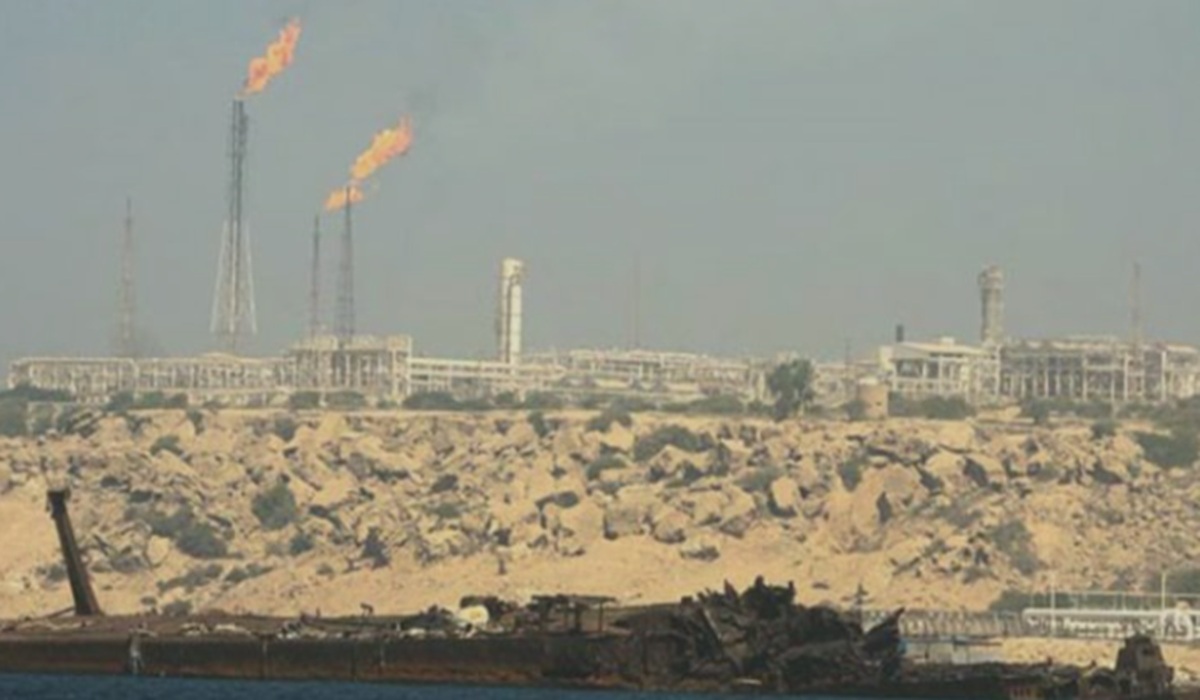
Amidst escalating conflict in the Middle East in March 2026, Kharg Island suddenly became the focus of global attention. US President Donald Trump even referred to this small island in the Persian Gulf as Iran’s “crown jewel”. Despite its modest area of approximately 20 square kilometres, Kharg Island’s role cannot be underestimated; it is the lifeline that pumps Iran’s economic breath into global markets.
The aerial strikes reportedly launched by US military forces in mid-March 2026 targeted only military installations on the island. However, the message conveyed was unmistakable: Iran’s energy infrastructure is now within firing range.
Kharg Island is far more than mere land surrounded by sea. Since the 1960s, the region has been developed into Iran’s largest crude oil export terminal. Several factors underscore why this island holds an irreplaceable role for the Islamic Republic:
Although President Trump stated that he chose not to destroy oil facilities for reasons of “propriety”, the threat remains a potent geopolitical weapon. Should this oil terminal become inoperative, the consequences would create a global domino effect:
Revenue from the oil sector forms the backbone of Iran’s government budget. Loss of access to Kharg Island would mean losing the ability to fund government programmes, public subsidies, and military operations of the Islamic Revolutionary Guards Corps (IRGC).
Global energy markets are highly sensitive to disruptions in the Persian Gulf. Analysts from JP Morgan and Goldman Sachs have warned that total destruction at Kharg could push Brent crude oil prices beyond US$150 per barrel, triggering severe global inflation.
Iran has repeatedly threatened to close the Strait of Hormuz if its energy infrastructure is attacked. Given that 20 per cent of global oil supply passes through this strait, escalation at Kharg Island could trigger an energy crisis unprecedented since the 1970s.
Kharg Island is located approximately 25 kilometres offshore of Iran’s mainland, in the northern Persian Gulf, near the port of Bushehr.
China is the largest buyer of crude oil shipped through the Kharg terminal, despite Iran being under international sanctions.
Iran has attempted to diversify its export routes through the Jask Terminal beyond the Strait of Hormuz. However, Jask’s current capacity remains far below that of Kharg Island and is unable to fully support national export loads.
As Kharg Island processes nearly all of the country’s oil exports, it represents an extremely attractive target for Tehran’s political adversaries. Recent US strikes may have only touched the military surface of the island, but Iran’s economic fate and global energy stability now depend on what unfolds next in this small rocky archipelago.