
The Risks of Being a Man!
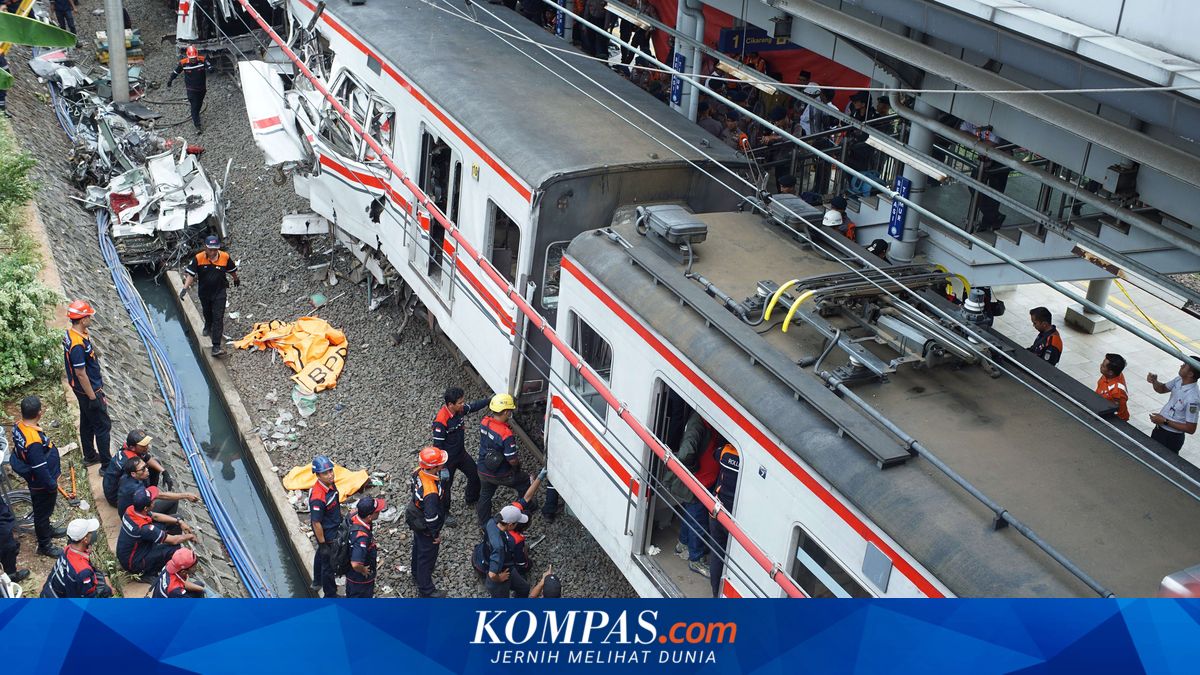
“Every passenger, regardless of social category, is entitled to the same level of protection!” This principle should serve as the unshakeable foundation in public transportation safety. Simple, indeed, but it can determine the direction of policy. The state is obligated to reduce risks for everyone, not just to regulate who is more protected and who is more exposed. The proposal to move women’s special carriages to the middle of the train, put forward by the Minister of Women’s Empowerment and Child Protection, Arifah Fauzi, arises from legitimate concerns. The train accident in Bekasi opened eyes to the fact that the position of the carriage affects the level of risk. Technically, the middle carriage is indeed relatively safer compared to the front or rear. From this perspective, the idea appears rational. However, public policy is not only evaluated based on technical rationality, but also on the underlying principle of justice, is it not? When the women’s carriage is proposed to be moved to the middle, safety is no longer understood as universal protection, but as protection allocated based on social categories—in this case, gender. This change may seem small, but its implications are significant. We are shifting from a paradigm of overall risk reduction to a paradigm of risk distribution among groups. The risk of accidents is not truly eliminated. It is merely transferred. Women are placed in a safer zone, while men implicitly fill zones with higher levels of danger. In practice, this creates a safety segmentation that did not exist before. Such an approach seems to have the potential to obscure the principle of justice in public safety.