
The Rise of Driverless Cars Intensifies, Posing a Growing Threat in the US
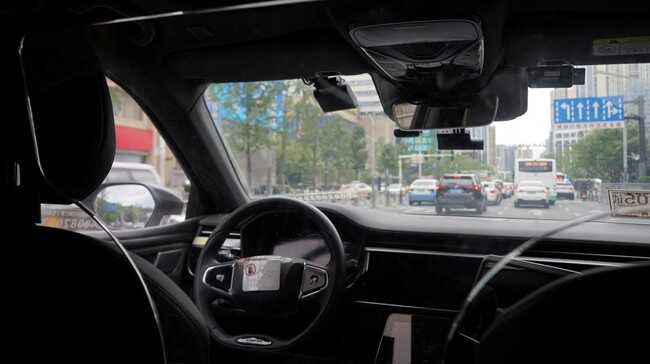
The driverless taxi industry is rapidly expanding in the US, with companies like Waymo leading the charge. This expansion raises concerns about the future of online drivers and has prompted regulatory scrutiny. Waymo is now operating in 10 US cities, aiming to solidify its market dominance while facing competition from other major players like Tesla and Amazon’s Zoox.
Waymo, a subsidiary of Alphabet (Google), is the most aggressive player in the US driverless taxi market. On Tuesday, February 24th, Waymo launched its driverless taxi service in several locations in Dallas, Houston, San Antonio, and Orlando. With this expansion, Waymo now operates in a total of 10 cities in the US, further solidifying its dominance in the US driverless taxi market.
The company aims to retain its loyal customers and win over skeptics, including the six out of 10 online drivers in the US who say they are concerned about the arrival of driverless taxis, according to a 2025 survey by the American Automobile Association. This expansion comes amid fierce competition from Tesla, Zoox (owned by Amazon), Waabi, and Nuro, all of which plan to launch commercial driverless taxi services in the US market.
Meanwhile, leading Chinese driverless taxi companies such as Apollo Go (owned by Baidu) and WeRide are also expanding their reach into international markets. In January, Waymo launched its service for passengers in Miami, and the company began serving passengers in Austin last year in partnership with Uber. Waymo also operates in Atlanta, Phoenix, Los Angeles, and the San Francisco Bay Area.
For the markets launched on Tuesday, February 24th, Waymo will use its fifth-generation driver system in base model Jaguar I-PACE sedans. Earlier this month, the company began offering rides to employees and their guests using its sixth-generation Waymo driver system, which is built on a Geely-based Ojai electric vehicle, in California.
In February 2026, the company announced that it had raised $16 billion in funding, giving it a valuation of $126 billion, with Alphabet as the majority investor. As of the end of January 2026, Waymo operated more than 3,000 autonomous vehicles, according to a filing with the National Highway Traffic Safety Administration. The automotive safety regulator has launched an investigation into the company’s vehicles’ behavior around schools and school buses.
Waymo has also faced criticism for its vehicles’ behavior during a power outage in December 2025 in San Francisco during a storm. Waymo vehicles stopped in the middle of several streets, causing traffic jams. In a letter to Senator Edward Markey this month, Waymo said it has provided more than 400,000 paid rides per week across the US and has completed more than 20 million rides during its service. Markey has called on Waymo and other autonomous vehicle developers to be more transparent about how their autonomous vehicles rely on humans, namely “remote assistants,” to provide guidance to their vehicles from remote customer service centers when the vehicles encounter difficulties in navigating situations.