
The Relay of the Marja' of Revolution
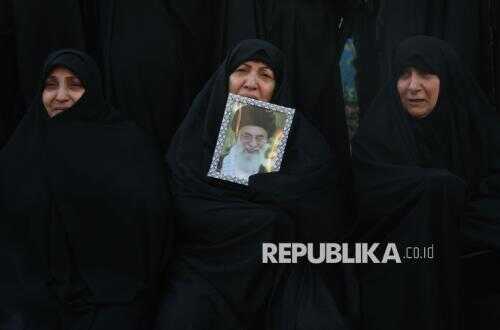
Iran has officially announced the death of Supreme Leader Ayatollah Ali Khamenei in martyrdom. The Iranian government has declared forty days of national mourning, with flags lowered to half-mast across the country as a mark of respect and sorrow. The United Nations headquarters has similarly lowered its flags.
The main streets of Tehran, Mashhad, Qom, Isfahan, and smaller cities, usually filled with the sounds of car horns and dust, have taken on the atmosphere of an immense house of mourning. In city squares, posters bearing the image of the white-bearded leader are displayed alongside black cloth. Flowers fill the pavements. People walk slowly, as if time itself bows in respect. In mosques, loudspeakers continuously broadcast prayers and Quranic recitations.
The Quran resounds from dawn until late night, creating a religious atmosphere reminiscent of the traditional mourning ceremonies for religious scholars in Iran. The congregation sits tightly packed, tears flow freely, and prayers are offered like an unceasing river. In Qom, seminary students process carrying lanterns and religious texts. In Mashhad, pilgrims walk towards the shrine of Imam Reza whilst reciting salutations.
In remote villages, shopkeepers close early, gather in mosques, and offer prayers for the leader they regarded not merely as a head of state, but as the guardian of the revolution.
The forty-day period of mourning is more than an administrative timeframe. It represents a measured rhythm of grief within Shia tradition: a period of contemplation, of strengthening collective memory, of renewing pledges of loyalty to the values held dear.
During this period, Iran appears to hold its breath—between loss, loyalty, and determination to continue the historical relay that Ali Khamenei, the marja’ of the revolution, had carved out.