
The Quiz That Tests the MPR's Acumen
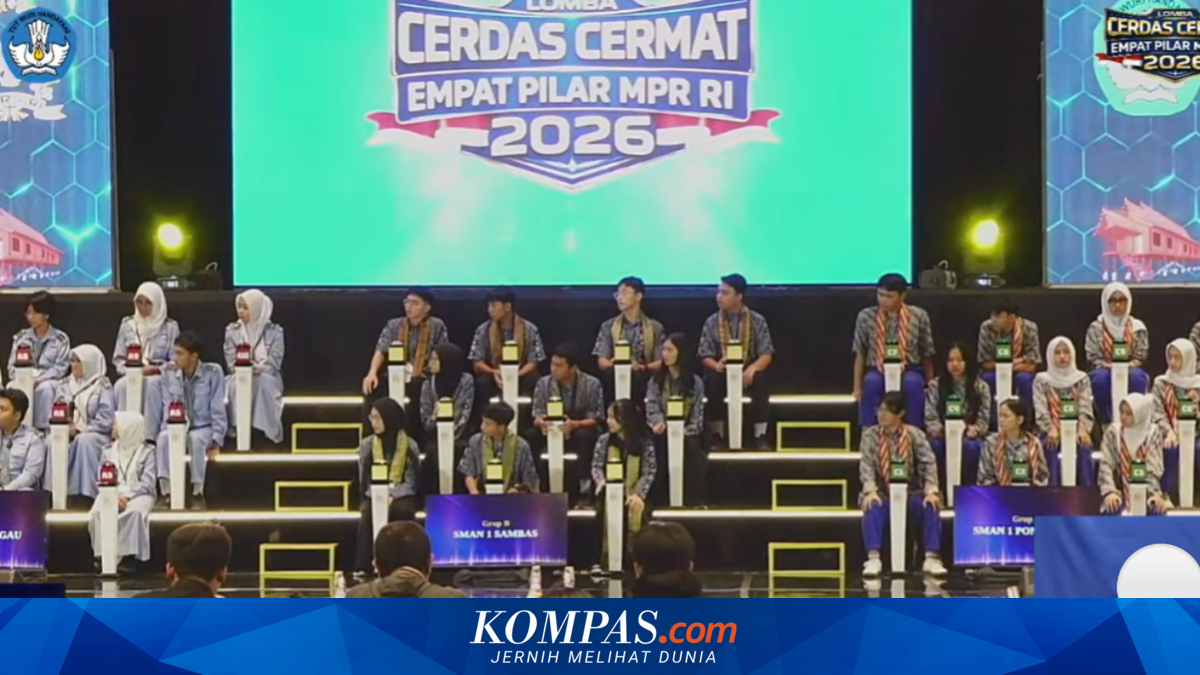
There is an irony too blatant to ignore in the controversy surrounding the MPR RI’s Four Pillars Quiz Competition in West Kalimantan. A competition designed to test students’ understanding of Pancasila, the 1945 Constitution, NKRI, and Bhinneka Tunggal Ika has instead become a small stage that tests the organisers’ own seriousness in practising the values being taught. There, students were not only examined on memorising articles and names of state institutions. They also, unintentionally, displayed civil courage: the courage to believe in the correct answer, the courage to question the judging, and the courage to stand before mistaken authorities. At that point, civic education ceases to be a slogan; it becomes a concrete experience felt directly by the participants. This event is significant not because of one deducted score or one team feeling disadvantaged. When the competition bears the name of the Four Pillars, every procedure within it automatically carries a moral burden: is the judging fair, is the mechanism clear, is the organiser responsive to participants’ objections? Thus, what is unfolding is not merely a competition squabble. It is a small mirror of how the state educates its citizens: whether through exemplarity or just ceremony. For students, the state often first appears not in thick laws, but in the faces of teachers, committees, judges, and the decisions they receive. We often narrow the meaning of quiz competitions to races of quickly pressing buzzers, answering in seconds, and then submitting to the judges’ decisions. Yet, the intelligence of citizens does not stop at the ability to recall the wording of articles. Constitutional intelligence is truly evident when someone can understand relationships between institutions, read the logic of authority, and courageously defend the truth in an orderly manner. In this case, the students showed something more valuable than mere academic reflexes. They demonstrated that knowledge must not immediately yield before authority.