
The Pulse of Return at the End of Eid
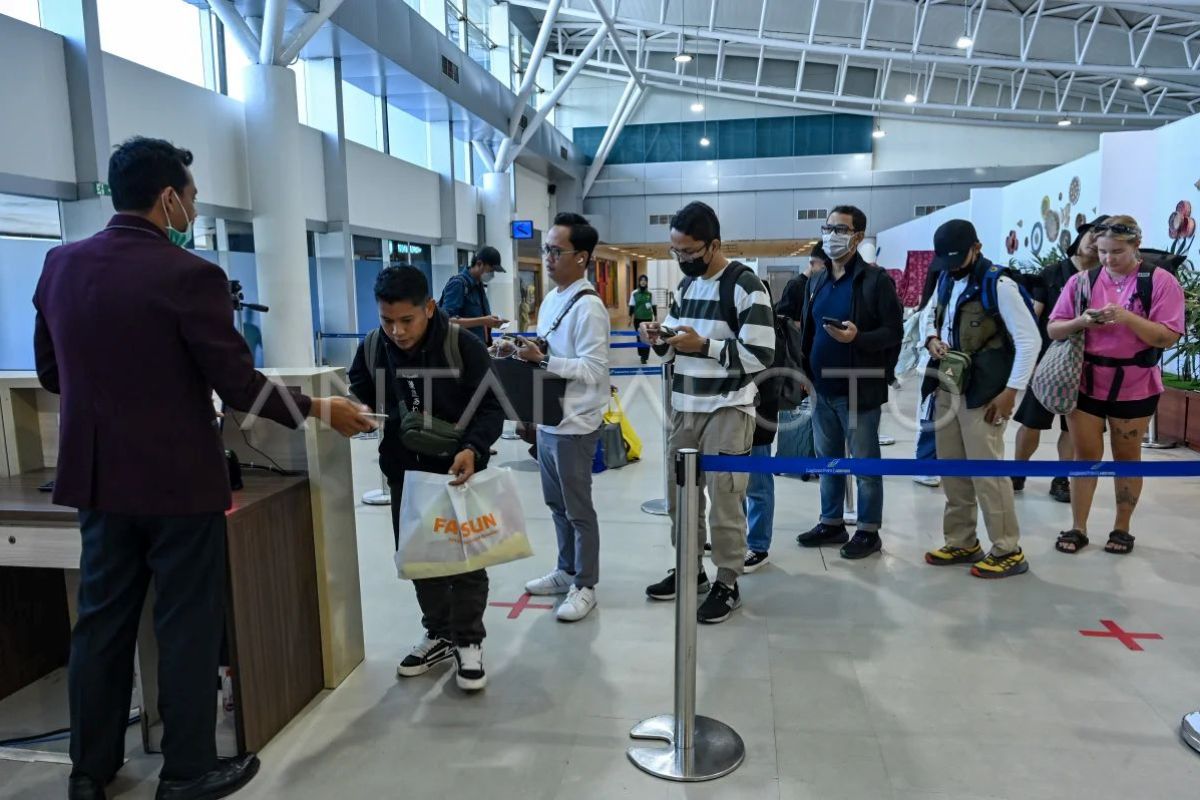
Amid the bustle of airports, ports, and highways, there is hope that every journey not only reaches its destination but is also safer, more comfortable, and humane. Mataram (ANTARA) - The morning at Lombok International Airport is no longer just about departures. It has become a space where two streams intertwine: those arriving with longing and those returning with responsibilities. Eid 2026 once again reveals the classic face of Indonesian societal mobility, including in West Nusa Tenggara (NTB). However, behind the passenger movement figures lies stories about infrastructure readiness, mudik behaviour patterns, and the effectiveness of policies tested in a short time. Data shows that passenger movements at Lombok Airport from 13 to 21 March reached more than 77,000 people. The peak mudik flow occurred on 18 March with more than 10,000 passengers in a single day. Meanwhile, the return flow is predicted to peak on 29 March or H+7 Eid. These figures are not mere statistics. They reflect how NTB is no longer just a tourist destination but an increasingly strategic national mobility node. The return flow phenomenon is interesting because it speaks not only of density but also of changing societal behaviour patterns. In recent years, work flexibility such as work from anywhere (WFA) has begun to influence return timing choices. The government has even openly urged the public to avoid peak dates like 24, 28, and 29 March 2026. However, the reality on the ground shows that such appeals do not always align with societal social and economic preferences. Distributed Peak One of the most interesting aspects of the 2026 Eid return flow is the emergence of a non-single peak pattern. If previously the return flow tended to peak on one or two specific days, now there are three peak waves. This indicates a change in travel distribution, although not yet fully even. Toll fare discount policies, traffic arrangements, and additional flights serve as instruments to ease congestion. At Lombok Airport, for example, there are requests for 14 additional flights from major airlines. This signals that the air transport sector is beginning to adapt to more dynamic demand surges.