
The Phenomenon of Superstition in Trading: Between Psychology and Data Analysis
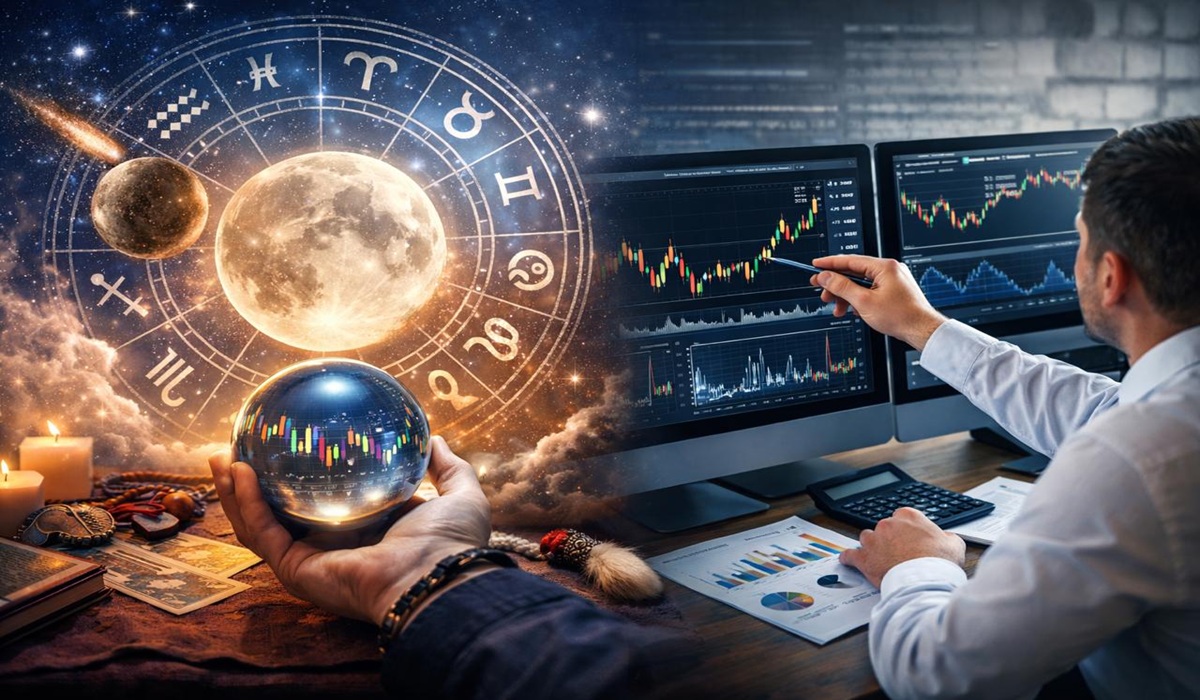
Amid the fluctuating dynamics of financial markets, market participants often find themselves trapped in high emotional pressure. To maintain stability and boost confidence, some traders turn to unconventional methods. In addition to relying on technical and fundamental analysis, superstitious practices apparently still have a place in the routine of decision-making on the trading floor.
This phenomenon has caught the attention of the industry, including broker Elev8. They have observed a tendency among traders to link investment decisions with factors beyond rational logic. This practice is seen as a psychological response to market uncertainty, where certain rituals provide the illusory sense of security needed when facing significant risks.
Unique habits intersecting with superstition are not new among prominent figures. Legendary artist Pablo Picasso, for instance, was known to be very protective of his hair clippings and nail trimmings because he believed those items held his “essence.” Similarly, writer Charles Dickens always ensured his bed faced north to maintain the flow of creativity.
In the financial world, George Soros is often mentioned as having his own “mystical” indicators. This seasoned investor is reported to use physical signals, such as back pain, to evaluate his portfolio.
If his back starts to hurt, Soros considers something wrong with his investment positions and immediately takes corrective action. For Soros, the pain serves as a subconscious alarm that his analysis might be off track.
Beyond personal factors, many traders monitor natural and cosmic phenomena as transaction guides. One of the most popular is the connection between lunar phases and stock price movements. Some investors believe a full moon brings high volatility, while a new moon is seen as the right time to accumulate assets.
Here is a summary of some non-conventional phenomena often associated with financial markets:
Although rituals or superstitions can help improve focus and psychological calm, Elev8 asserts that they should not replace data-based analysis. In complex market conditions, measured decisions must still rely on strict risk management principles.
Elev8 provides various data-based trading tools using real-time market data to help traders make more objective decisions. Understanding economic conditions, financial reports, and price movements remains the main pillar of investment.
In conclusion, superstition may be part of human psychological dynamics in facing uncertainty. However, its role should be limited to a complement or “mental soother.” Long-term success in financial markets is still determined by discipline, in-depth analysis, and wise use of funds in investment portfolios, not by non-rational signals.