
The 'Pesta Babi' Film Sparks Public Debate: What is it About?
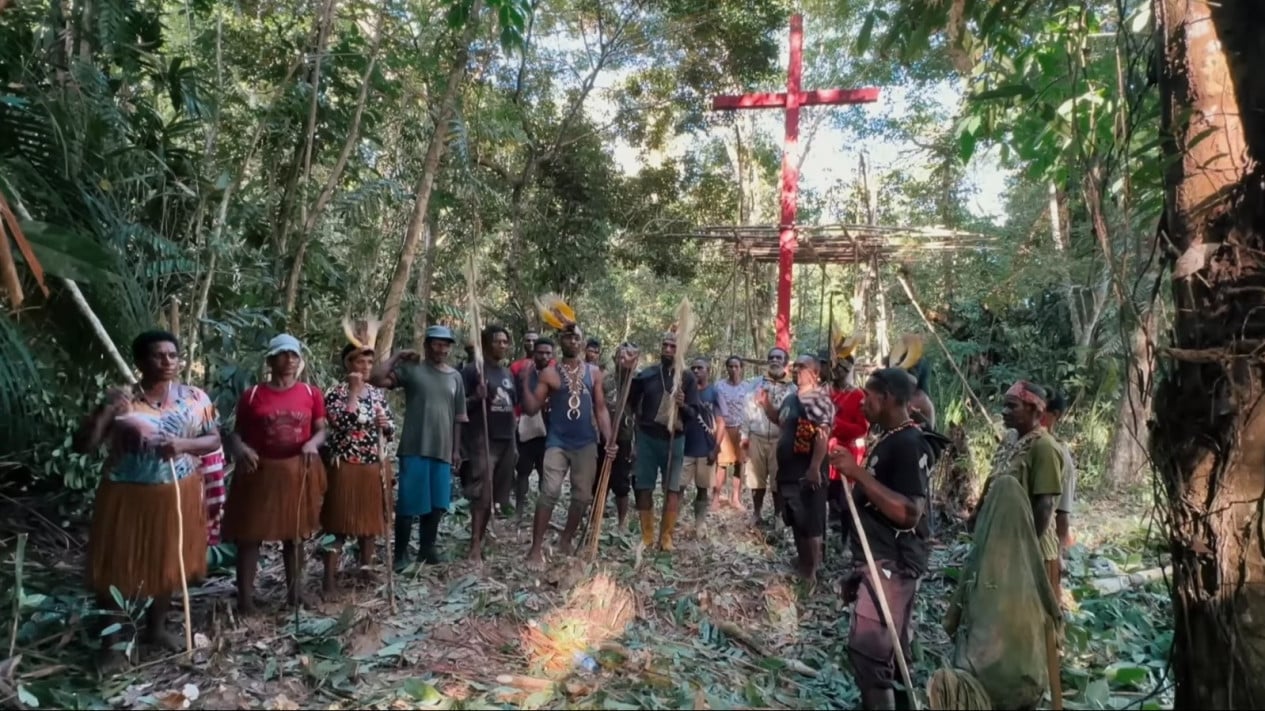
The documentary film ‘Pesta Babi’ has recently sparked widespread public discussion. The film has gained attention due to its portrayal of issues faced by indigenous communities in Papua.
Beyond its storyline, the documentary has become a subject of debate following incidents where screenings were disrupted in several regions, such as Ternate, where the screening was halted by military personnel.
Various reasons were given for the disruption of the screenings, ranging from permit issues to concerns about the film’s allegedly provocative narrative. Amidst the widespread discussion about this documentary, what exactly does the ‘Pesta Babi’ documentary address?
This documentary, directed by Dandhy Dwi Laksono and Cypri Dale, tells the story of the struggle of indigenous communities in South Papua against government and corporate projects that are transforming their forests and ancestral lands into industrial areas for palm oil, sugarcane, and large-scale food production.
In the trailer uploaded to the Watchdoc Documentary YouTube page in March, the documentary begins with a depiction of a group of local indigenous people carrying a large piece of wood. The trailer also shows a large ship carrying heavy equipment to support the project.
“We, the local people, didn’t know. We were surprised to see the ship already at our port in the morning,” said one of the indigenous people.
The documentary also depicts how the local community resists in various ways, from erecting a giant cross, traditional barriers, to the Red Cross Movement in several locations.
“This is our right here,” said a local resident, pointing to a barrier on a plot of land with the inscription: ‘Land owned by the TNI AD XVII/Cendrawasih Military Command. Supervised by the 1707.02/MERAUKE Koramil, 1707 MERAUKE Kodim, 174/ATW Korem based on: Letter of Traditional Release dated June 5, 2025. Land Area: 100 hectares.’
The trailer for this documentary also displays data on the ownership or business affiliations of palm oil and sugarcane plantations in the area. It even includes data on the few people who benefit from it.
“If our ancestral forests are lost, where will we live?” said one of the local residents.