
The Pavement Algorithm for Mobile SMEs
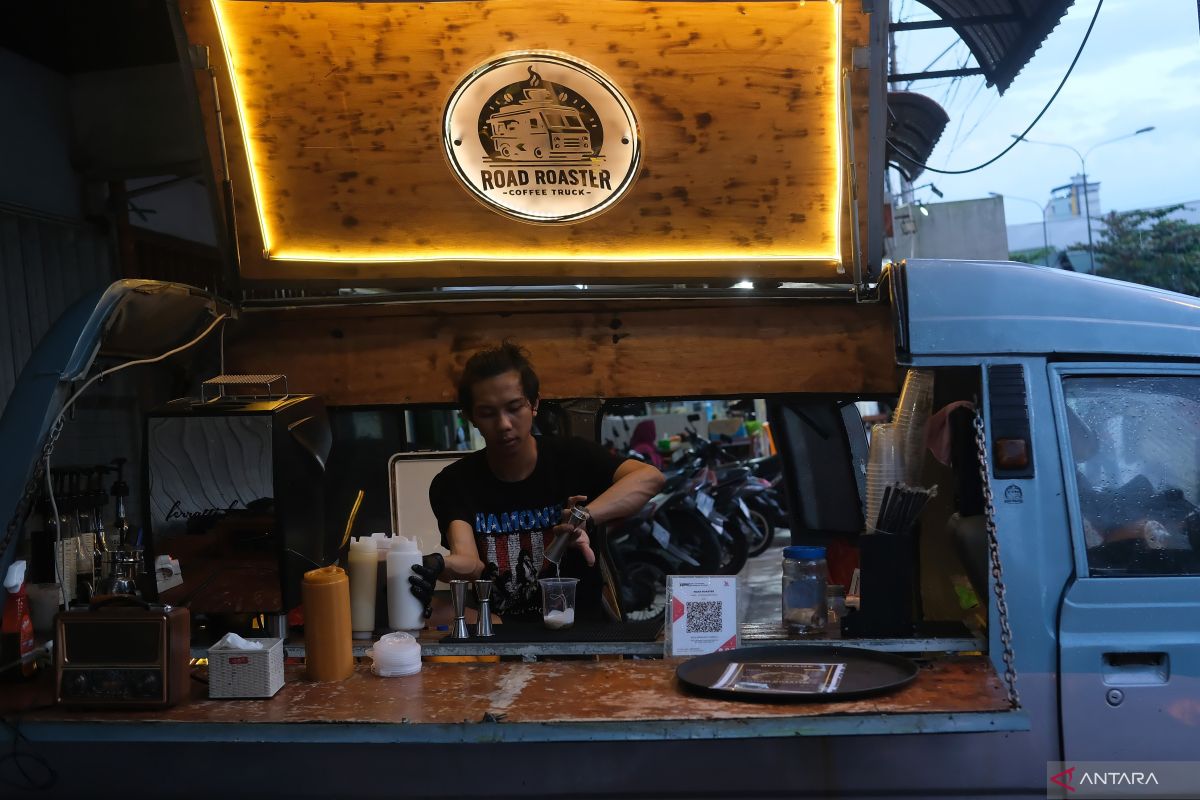
The future of the national economy is not only built behind office desks but also flourishes on the wheels of digitally connected carts.
Jakarta (ANTARA) - Amid news of the Indonesia-China cross-border QRIS cooperation and the rapid development of digital transactions in Indonesia, due appreciation should be given to micro, small, and medium enterprises (UMKM) that play a crucial role as the backbone of national economic sovereignty.
Data up to April 2026 shows that UMKM contribute between 60.5% and 61.7% to the gross domestic product (GDP) and absorb around 97% of the national workforce.
Upon closer examination, micro, small, and medium enterprises account for 37.4% of total GDP. However, behind these macro figures lies an interesting dynamic in the street informal sector, including gorengan vendors and mobile kopi keliling sellers, which are now undergoing a fundamental transformation through the adoption of digital technology. This phenomenon of the “pavement algorithm” marks a new era of formalising grassroots economics that bridges the financial inclusion gap in Indonesia.
For years, gorengan and kopi keliling (starling) vendors have been trapped in an informal ecosystem that is difficult to measure. However, the integration of non-cash payment systems through the Quick Response Code Indonesian Standard (QRIS) has become a catalyst for change. According to Bank Indonesia data, the national QRIS transaction volume in the first quarter of 2026 grew rapidly by 119%. For UMKM actors, QRIS is not just a payment tool but an instrument for data formalisation.
Every digitally recorded transaction creates a valid financial footprint. This automatically resolves the classic UMKM challenge of lacking official financial reports. From a policy perspective, this is a significant advancement. The transformation from “dark” cash transactions to “illuminated” digital data allows the government and financial institutions to accurately map business risk profiles and economic capacity without cumbersome bureaucratic processes.
Collateral for the future
One of the biggest challenges in distributing People’s Business Credit (KUR) is the unbankable status of the majority of micro and small traders. Without physical assets, such as land certificates or vehicle ownership documents, access to capital is often blocked. This is where the strategic role of digital technology comes in to perfect financial inclusion policies.
Daily transaction data from coffee and gorengan sales is now transforming into digital credit scoring. In modern banking policy analysis, consistent digital transaction history can serve as a basis for creditworthiness assessment, replacing traditional physical collateral. This is a real form of capital democratisation. By encouraging street vendors to enter the digital ecosystem, the government is indirectly building a data infrastructure that enables more targeted, effective, and performance-based capital assistance in the field.