
The Origins of Date Palm Cultivation in Israel and Its Concealed Exports
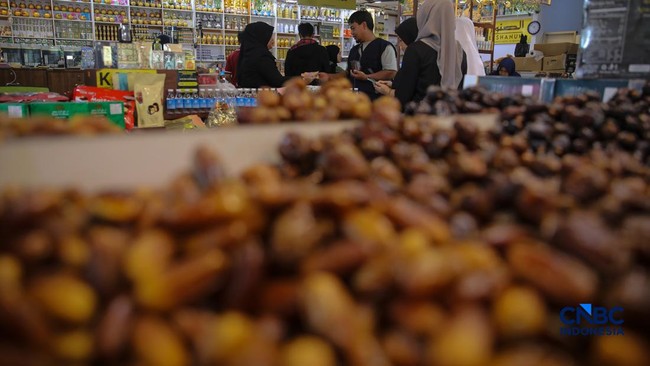
Date palms thrive in hot, arid climates with low humidity, making the Middle East their natural habitat. In Israel, dates have existed for two millennia, initially growing wild primarily in Judea, though considerably smaller than modern varieties with seeds approximately 1 centimetre in length. Ancient inhabitants consumed dates as a staple food and medicinal remedy, with records indicating seven distinct wild varieties: Methuselah, Hana, Adam, Judith, Boas, Jonah, and Uriel.
Dates became a significant trade commodity in antiquity. King Solomon, who reigned in the 10th century BCE, reportedly traded date palms between his territories and Arabia. However, the date palm varieties of antiquity differ substantially from those cultivated today.
The extensification and domestication of date palms imported from North Africa and Iraq during the 1950s introduced larger varieties that subsequently displaced the smaller wild species. From that period onwards, Israeli dates expanded significantly and now resemble varieties grown throughout the Arab world.
Today, Israel operates numerous date palm plantations and ranks among the world’s largest date exporters. Israel exports approximately 35,000 tonnes of dates annually, with a portion reaching Indonesian markets.
However, amid escalating boycott movements against Israeli products due to Palestinian occupation, evidence has emerged suggesting that Israeli dates, including those from West Bank settlements, are being sold in Europe under concealed labelling regarding their origin. According to the Anadou Agency and various European industry reports, consumer watchdog groups, and investigative journalism, dates produced in Israeli settlements within the occupied West Bank are suspected of entering the European Union market through third-country intermediaries or indirect logistics channels to obscure their production origins. Critics term this practice “date laundering.”
Agricultural sector data published by Israeli media indicates that of the 35,000 tonnes exported annually, only approximately 8,800 tonnes are produced in internationally recognised Israeli territory, primarily in the Arava Valley. If accurate, this suggests approximately 75% of export volumes originate from West Bank settlement plantations, which are widely considered illegal under international law.
Several reports indicate such products are labelled as “Israeli products” without specifying their settlement origins. Documentation further suggests Israeli dates are marketed through intermediary countries including the Netherlands, Morocco, the United Arab Emirates, and Palestine.
World Bank data demonstrates that approximately half of dates sold in the Netherlands and more than one-third in France originate from Israel. Both countries serve as major packaging and re-export hubs in Europe. Israeli-related date products are estimated to comprise approximately 25% of Germany’s date supply.