
The Mystery of the Greek Inscription in the Great Mosque of Homs: Does it Really Stand on the Site of the Temple of the Sun God?
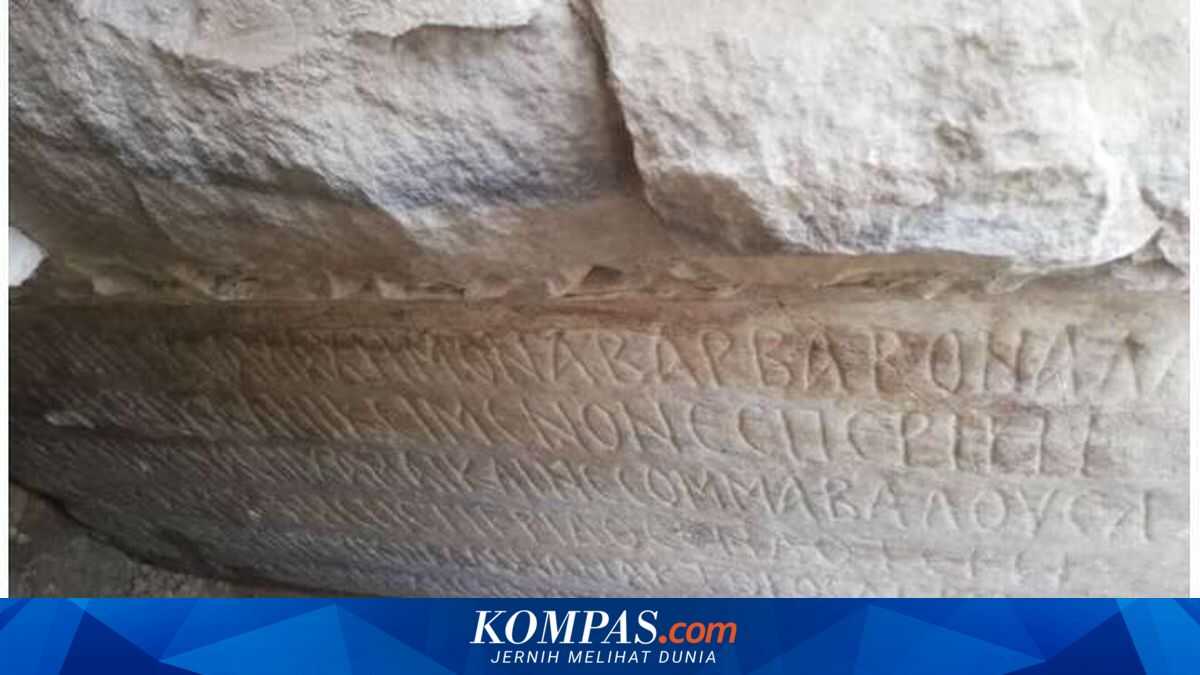
A mysterious Greek inscription found at the base of one of the columns of the Great Mosque of Homs, Syria, has once again sparked a long-standing debate among historians and archaeologists. The classic question, but one that has never been fully answered: does this historic mosque stand directly on the Temple of the Sun God Elagabalus, where a Syrian high priest once ascended to become Roman Emperor in the 3rd century AD?
Homs—which in ancient times was known as Emesa—was the capital of a province of the same name. The city has long been known for its rich historical heritage, especially the Great Mosque of Homs, which has a unique oval layout and high religious value. The site is also associated with the Zengid ruler of the 12th century, Nur ad-Din.
For years, researchers have speculated that the mosque was built on the ruins of the Church of St. John the Baptist, which in turn was built on a Roman pagan temple. However, definitive evidence has always been lacking—until the discovery of this new inscription.
According to archaeologist Teriz Lyoun, Head of the Homs Excavation Department, the inscription was actually discovered in 2016 during restoration excavations, but was only widely published some time later.
The text is heroic and militaristic in tone. Historian Abdulhadi Al-Najjar, who first translated it, says that the text: “describes a warrior ruler who is likened to the wind, the storm, and the leopard, who conquers enemies and imposes tribute with fierce royal authority.”
Professor Maamoun Saleh Abdulkarim, an archaeologist and historian from the University of Sharjah who has studied the inscription in depth, considers the discovery to be a significant breakthrough.
“This inscription, found during the restoration, provides new evidence in a long-standing debate: was the Temple of Elagabalus located under the Great Mosque in the city center, or was it located in the archaeological layer on the hill where the Citadel of Homs now stands?”
He added that although the text is epic and not very detailed, its existence is still significant:
“This Greek inscription provides clues about the connection of this mosque with a pagan building, possibly the Temple of the Sun, especially since researchers have long suggested this.”
Professor Abdulkarim explained: “If the connection with the symbolism of the solar cult is confirmed, it may indicate a spatial continuity between the pagan sanctuary and the religious building built later on the same site.”
According to him, religious changes in Emesa did not happen suddenly.
“Christianity did not replace paganism suddenly. Instead, the two communities lived side by side for several generations.”
He emphasized that religious changes are almost never instantaneous. In Emesa, pagan and Christian practices likely coexisted for decades, even centuries—a dynamic that reflects the complexity of the region’s social and political landscape.