
The Ministry of Religious Affairs steps up halal education for young people
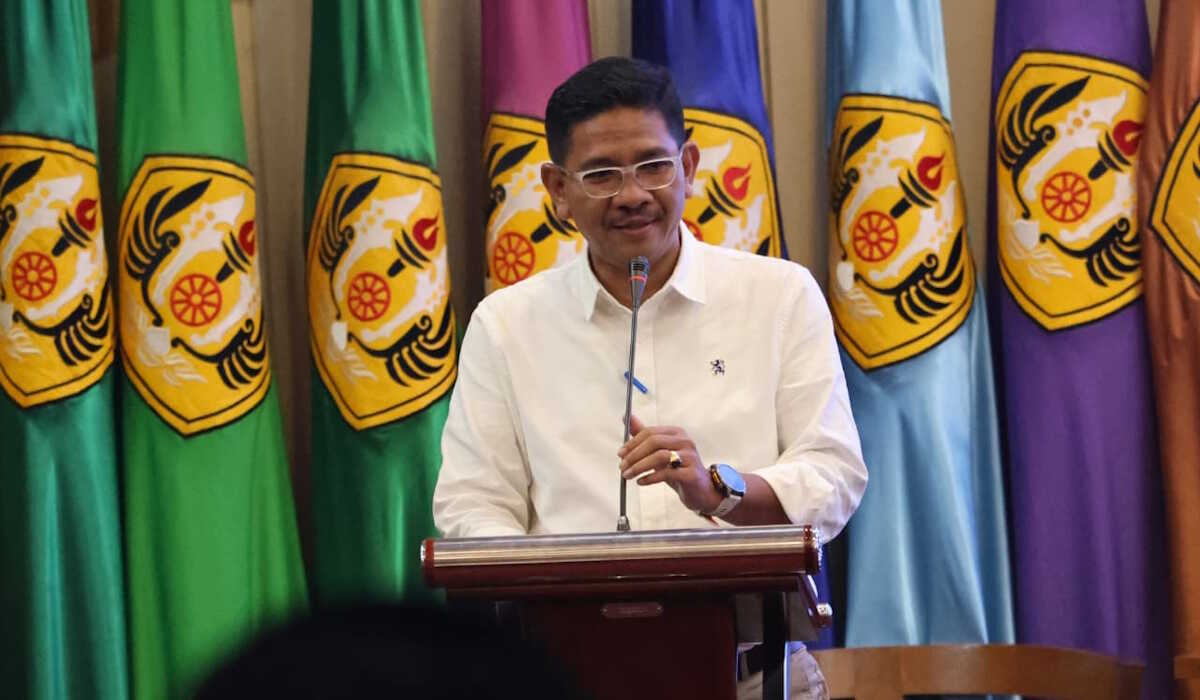
The Director-General of Guidance for the Muslim Community at the Ministry of Religious Affairs, Abu Rokhmad, said that Indonesians often assume that all products on the market are halal because the population is predominantly Muslim. However, he added, certainty about halal requires clear systems and regulations. Therefore, he invited young people to deepen their understanding of halal.
“We want to invite the younger generation to have an understanding of halal. There are also many large Chinese companies requesting halal certification from Indonesia. This is an opportunity, especially for students, to develop skills and networks in the halal industry,” Abu said during the Halal Goes to Campus programme themed “Ngobral (Ngobrolin Halal)” at the Bale Sawala Auditorium, Padjadjaran University, Jatinangor Campus, on Tuesday (3/3).
The programme launched by the Directorate of Halal Product Assurance (JPH) of the Ministry aims to strengthen halal literacy among students while building collaboration between government and higher education institutions.
According to Abu Rokhmad, the concept of halal and tayib covers food, beverages, medicines, cosmetics, and other products.
Indonesia already has a legal basis through Law No. 33 of 2014 on Halal Product Assurance which regulates the certification system and halal labeling as a safeguard for consumers.
He added that halal has now developed into a global lifestyle. Several Asian countries, such as China and South Korea, have halal hubs, and many foreign companies apply for halal certification in Indonesia.
Abu Rokhmad urged universities to open halal industry study programmes that integrate various disciplines, such as chemistry, physics, and pharmacy. He believes halal pharmaceutical research can become a national pride and spur the birth of halal pharmaceutical products.
Unpad Vice Rector for Resource and Governance Widya Setiabudi Sumadinata said that halal is not an exclusive concept for Muslims, but part of the natural order of humanity to live healthy and prosperous.
“Halal is not something special only for Muslims. Halal is the natural order of humanity. If we want to live prosperously and healthily physically, spiritually, and socially, the foods consumed must be halal,” he said.
He assessed that halal awareness is developing rapidly in Western countries. Many non-Muslim countries trust halal standards and product quality. However, Indonesia, as the country with the largest Muslim population, still needs to strengthen awareness of certification and the halal industry ecosystem.
“We as Muslims sometimes are not aware of the halal ecosystem itself, especially in the context of business and certification. Hopefully this activity will inspire us to care and understand the importance of consuming halal products,” he concluded.