
The Ministry of Environment and Forestry intensifies forest and land fire suppression in several areas of West Kalimantan
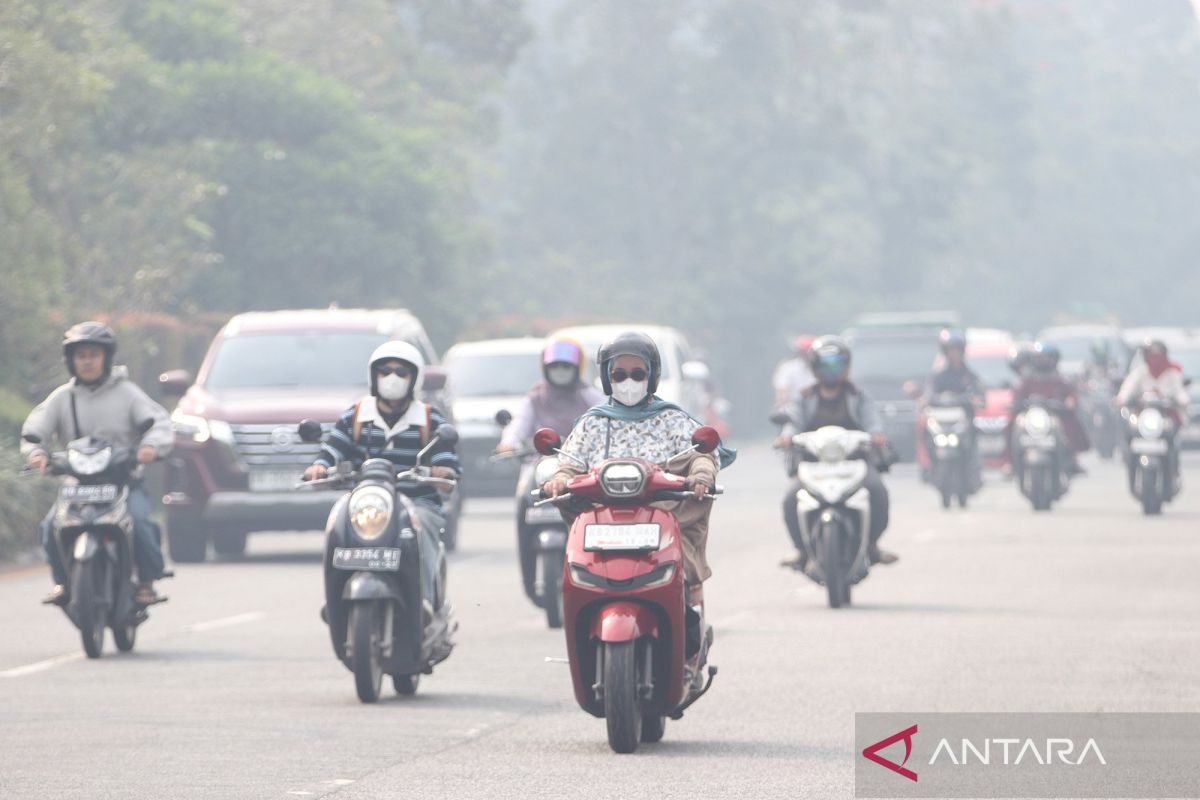
Jakarta – The Ministry of Environment and Forestry said that efforts to extinguish forest and land fires (karhutla) in several areas of West Kalimantan include intensified suppression in Kubu Raya Regency.
Head of Regional Section II Pontianak of the Forest Fire Control Centre (Dalkarhut) Kalimantan Region, Sahat Irawan Manik, in a statement confirmed from Jakarta on Saturday explained that currently West Kalimantan, particularly Kubu Raya, has become a high-risk area for karhutla as hotspot numbers rise and the dry season intensifies.
‘The suppression efforts are conducted from morning until night. This is done to accelerate extinguishing, especially at karhutla locations near settlements,’ Sahat said.
He said the karhutla in Kubu Raya began on 28 February 2026 and continued to Friday (6/3) and although fasting during Ramadan, Manggala Agni Daops Kalimantan VIII/Pontianak personnel are intensively extinguishing karhutla at five points spread across three areas: Rasau Jaya Tiga, Rasau Jaya Umum and Limbung.
Two karhutla locations in Rasau Jaya Tiga and Rasau Jaya Umum, Rasau Jaya District, have entered cooling and mopping up stages, which are conducted to ensure no embers remain. The mopping up stage also indicates that the overall karhutla situation has been controlled and will soon be declared extinguished.
Furthermore, Sahat stated that to anticipate increased karhutla risk, Manggala Agni teams continued to conduct preventive patrols in West Kalimantan.
‘These patrols aim to detect field conditions earlier, strengthen coordination, and accelerate information flow from communities so that responses to karhutla incidents can be faster. In addition, patrols are also conducted to check fuel conditions, potential water sources, and karhutla issues in communities,’ he explained.
Based on daily hotspot monitoring in 2026, in Kubu Raya Regency there is an increase in number and spread of hotspots, in addition, BMKG’s Fire Hazard Ranking System (SPBK) observations show an increase in fire risk.