
The Meaning of the Nyorog Tradition: Preserving Family Ties and Respecting Elders
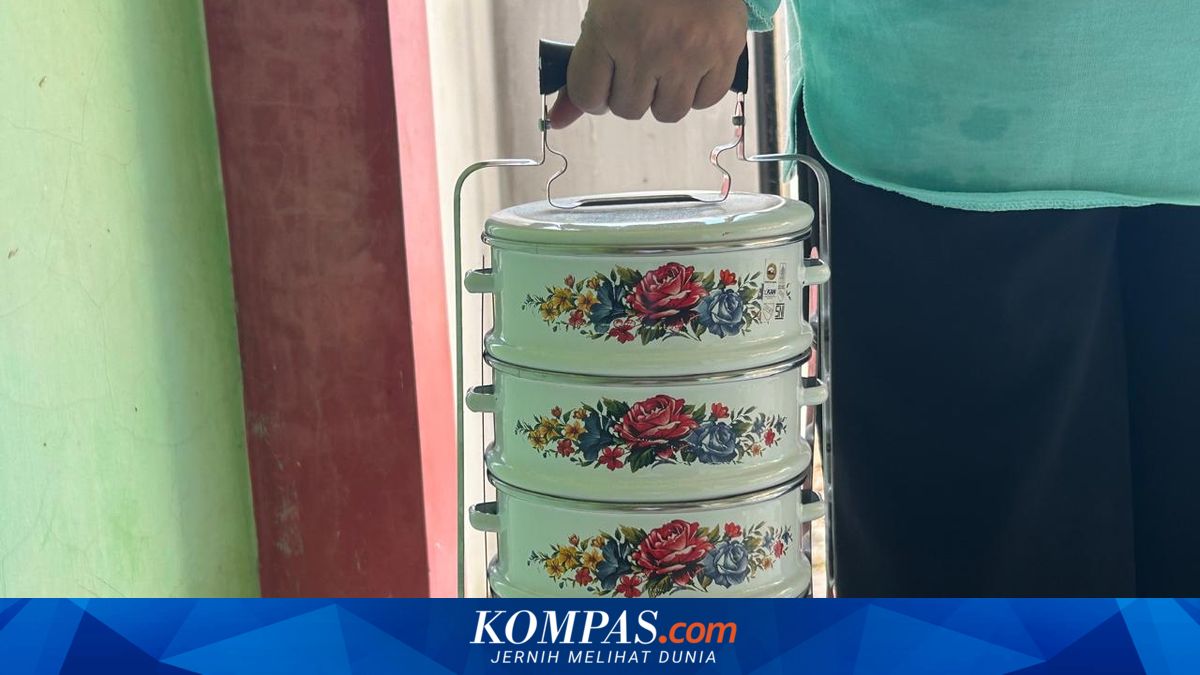
JAKARTA, KOMPAS.com - Ahead of the Ramadan month or Eid al-Fitr, the Betawi community observes the nyorog tradition as a longstanding custom passed down through generations. Parcels containing food are delivered from one house to another. In the hands of the Betawi people, these food provisions are not merely dishes, but symbols of care for parents, in-laws, and older relatives. However, this tradition is not just about delivering food or gifts, but also embodies strong social and cultural values in family life. Betawi cultural expert Yahya Andi Saputra explains that this tradition has never been solely about giving food. “It is a form of social security in Betawi tradition. Sharing sustenance. An individual’s care for siblings and their social environment. Through this, at least no relative is in need, allowing them to worship properly,” he told Kompas.com on Tuesday (17/3/2026). In Betawi society, nyorog is not only understood as a family tradition but also as a form of social care. This tradition ensures that family members and those in the surrounding community do not experience shortages, especially ahead of the Ramadan and Eid moments. According to Yahya, the core value of the nyorog tradition lies in care for others. “Its meaning is respect, strengthening family ties, sharing blessings, and social care,” he said. “From my experience as a Betawi person, my grandfather (Engkong) already did it. Then my father (babeh, born 1920) and my mother (born 1925) were accustomed to nyorog. Now I do it too,” he added. Besides being a form of care, nyorog also serves as a symbol of respect for parents and older relatives. In practice, family members usually visit them carrying gifts as a sign of attention and respect. Nevertheless, Yahya emphasises that this tradition does not always have to be carried out by the younger to the older. “It is customary for the younger ones. But that is not a rule. The older can nyorog to the younger. It depends on their economic condition,” he said. He gave an example that in certain conditions, the more economically capable party takes the initiative to give nyorog to other family members. “So, whoever has a better economic life leads in nyorog to those who are less fortunate. It doesn’t have to be from young to old, but the opposite,” he said. Furthermore, Yahya stated that the contents of nyorog are usually basic necessities or food that can be utilised by the recipients. This becomes a symbol of sharing sustenance within the family and social environment.