
The Meaning Behind Scattered Flowers: A Symbol of Longing and Remembrance During Lebaran Pilgrimages
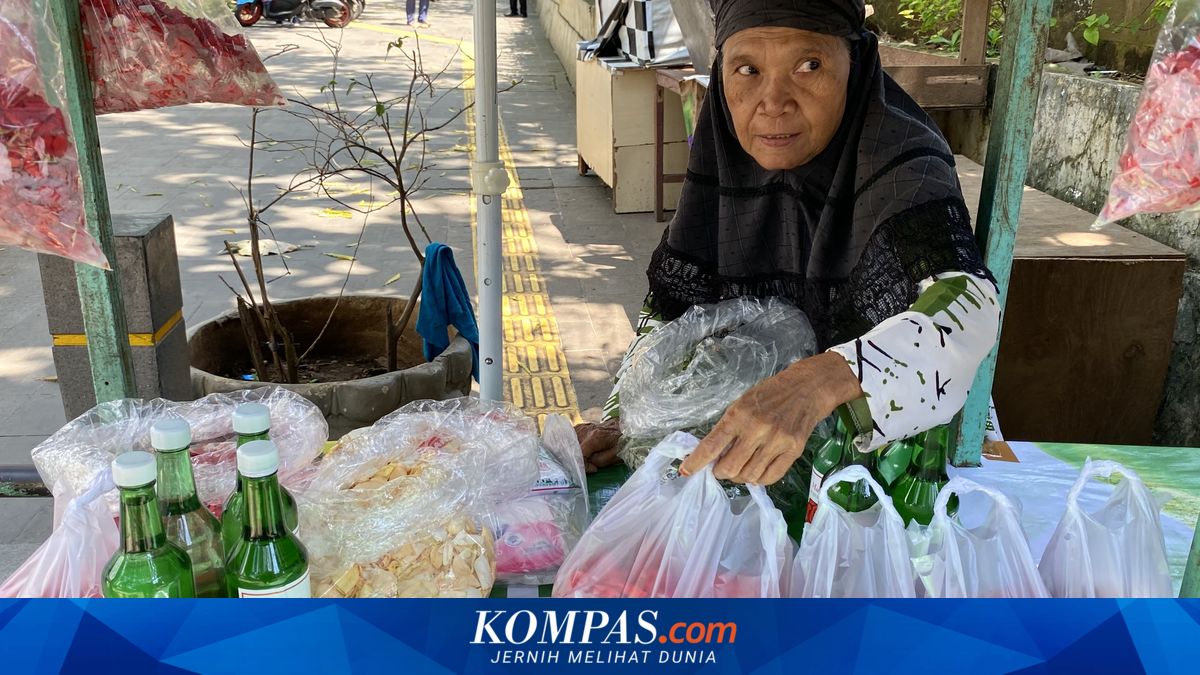
JAKARTA — The tradition of grave visitations ahead of Lebaran is far more than a religious activity; it also possesses interconnected social, cultural, and economic dimensions.
From a sociological perspective, this practice can trigger the formation of seasonal, culture-based economic activities that emerge annually in the lead-up to Eid al-Fitr.
Rakhmat Hidayat, a sociologist from Jakarta State University (UNJ), explains that the grave visitation tradition practised by communities before Lebaran frequently generates temporary or seasonal culture-based economic activities.
“In economic sociology, there is what we call seasonal economics—economic activity that emerges at specific times because it is triggered by cultural traditions or cultural momentum,” said Rakhmat when contacted by Kompas.com on Tuesday (17 March 2026).
“Such needs include scattered flowers, rose water, grave cleaning services, and in some places there are also prayer-leading services that help guide prayers for families visiting graves,” he added.
Rakhmat explained that these activities typically occur informally and develop around public cemeteries. Flower vendors, rose water sellers, and other service providers emerge to capitalise on the increased flow of visitors.
“In cemetery areas, temporary or seasonal informal economies typically form. Vendors are not always bound by formal systems, but they capitalise on the increased momentum of grave-visiting activities,” Rakhmat noted.
According to him, this phenomenon also reflects a form of socio-economic adaptation by communities to opportunities arising from cultural traditions.
“Individuals or groups capitalise on cultural momentum to generate income. The grave-visiting tradition becomes an opportunity for some people to earn their livelihood,” he said.
“Cultural traditions such as grave visits contribute to the circulation of local economies. Money spent by visitors circulates within the community surrounding the cemetery, particularly for those whose livelihoods depend on that area,” Rakhmat explained.
Beyond triggering seasonal economic activity, the use of scattered flowers in grave-visiting traditions also carries strong symbolic meaning within community culture.
Rakhmat explained that in symbolic sociology, flowers are viewed as symbols of respect and remembrance for the deceased.
“Flowers symbolise fragrance, respect, and prayers for those who have passed away. The fragrance of flowers becomes a symbol of cherished memories for bereaved families,” he said.
According to him, the use of scattered flowers in grave visits is also a result of acculturation between local culture and religious values that have developed within society.
“Spiritual practices are combined with aesthetic symbols. Scattered flowers not only hold religious meaning, but also symbolic aesthetic value,” he explained.
“Flowers also serve as a medium for expressing emotions, such as longing, love, warmth, and respect for those who have passed away,” Rakhmat stated.
Because of this, according to him, scattered flowers are understood not merely as physical objects, but as collective symbols that carry shared meaning for society.
“That is why many people still bring or purchase scattered flowers when visiting graves. Sociologically and anthropologically, there is meaning attached to this practice,” he said.
Rakhmat added that the tradition of grave visitations ahead of Lebaran also holds important social meaning for families.
One of its primary functions is to strengthen relationships among family members who come together to pray and remember deceased family members.
“Grave-visiting activities are conducted collectively, which strengthens relationships among family members,” he said.
Furthermore, grave visits also serve as a means to acquaint younger generations with their family history and ancestors.
“Young people are introduced to their parents, grandparents, or ancestors who have passed away. This becomes part of value transmission and collective memory within families,” Rakhmat explained.
“Grave visits remind us that human life is inseparable from death. This becomes a reminder and a moment of reflection for those still living,” he noted.
Through this tradition, society is also reminded to continue respecting parents and ancestors.