
The Lipstick Effect Dilemma: Strained Wallets, Surge in Cosmetic Shopping
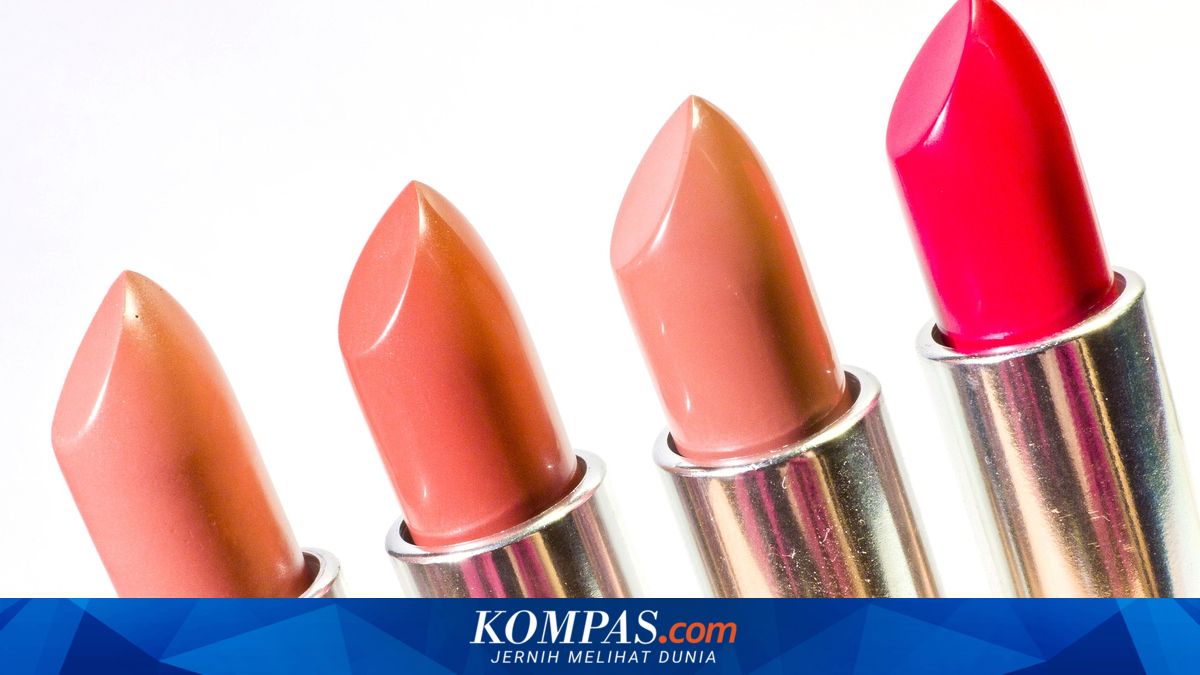
The lipstick effect has emerged as the economy of the middle class comes under pressure. The lipstick effect is an economic concept describing consumer habits of buying small items that provide a sense of comfort or a feeling of being valued when finances are tight. The items purchased are usually not essential necessities, but are considered affordable, such as cosmetics, perfume, coffee, or dining out after payday. The middle class, delaying big purchases such as houses and cars in the face of economic pressure, are said to be seeking an escape by buying small items that offer emotional gratification. Executive Director of the Center of Reform on Economics (CORE), Mohammad Faisal, highlighted the phenomenon of rising purchases of personal care and cosmetics, known as the lipstick effect, amid the current squeeze on purchasing power.
“Looking at indicators such as the retail sales index, there are several retail items that have risen, such as personal care products,” Faisal told Kompas.com on Wednesday (20 May 2026).
According to Faisal, the phenomenon is somewhat unique because it occurs amid public concerns about an economic crisis. “That is one of the signs that I find quite interesting, given the squeeze on purchasing power and concerns about the crisis,” he said.
Nevertheless, Faisal stressed that aggregate data at present cannot map in detail the distribution of such purchases across economic classes. “In aggregate, we do not know the distribution in terms of whether the middle, rich, or poor segments. But in aggregate there has indeed been an increase in purchases of items that are personal care,” he said.
He believes that the emergence of the lipstick effect cannot yet be drawn as a conclusion signalling a deeper economic crisis. “I think that is somewhat premature at present; from this standpoint it is too hasty to conclude, and I do not think we have reached that point yet,” Faisal explained.
Faisal elaborated that public attention to health and personal care products is not a new phenomenon but a continuation of a trend that has formed over the past six years. “Because the phenomenon has occurred not only now but also since the pandemic. So six years now, it has been going on for six years,” he noted. “Perhaps since the pandemic there has been greater concern or attention to health. And besides health, it has extended to personal care, including cosmetics,” he added.
Amid a squeeze on purchasing power, Faisal hopes the public can be more prudent and prioritise essentials. “In a situation where purchasing power is under pressure, we hope the public will be more prudent in spending and prioritise what is more essential, the basic needs that are truly primary, rather than those that are tertiary,” he urged.
Moreover, he said he is keen to conduct a more in-depth study to see which segments of society are most dominant in driving the cosmetics market at present. “We also need to look at which segments of society actually have the characteristics to buy cosmetics in the current conditions. Is it the upper, middle, or aspiring middle class?” Faisal said. He noted that the upper class tends to be less affected by the current economic situation in terms of meeting secondary needs.