
The latent dangers of fuel vapour: how long will this be overlooked?
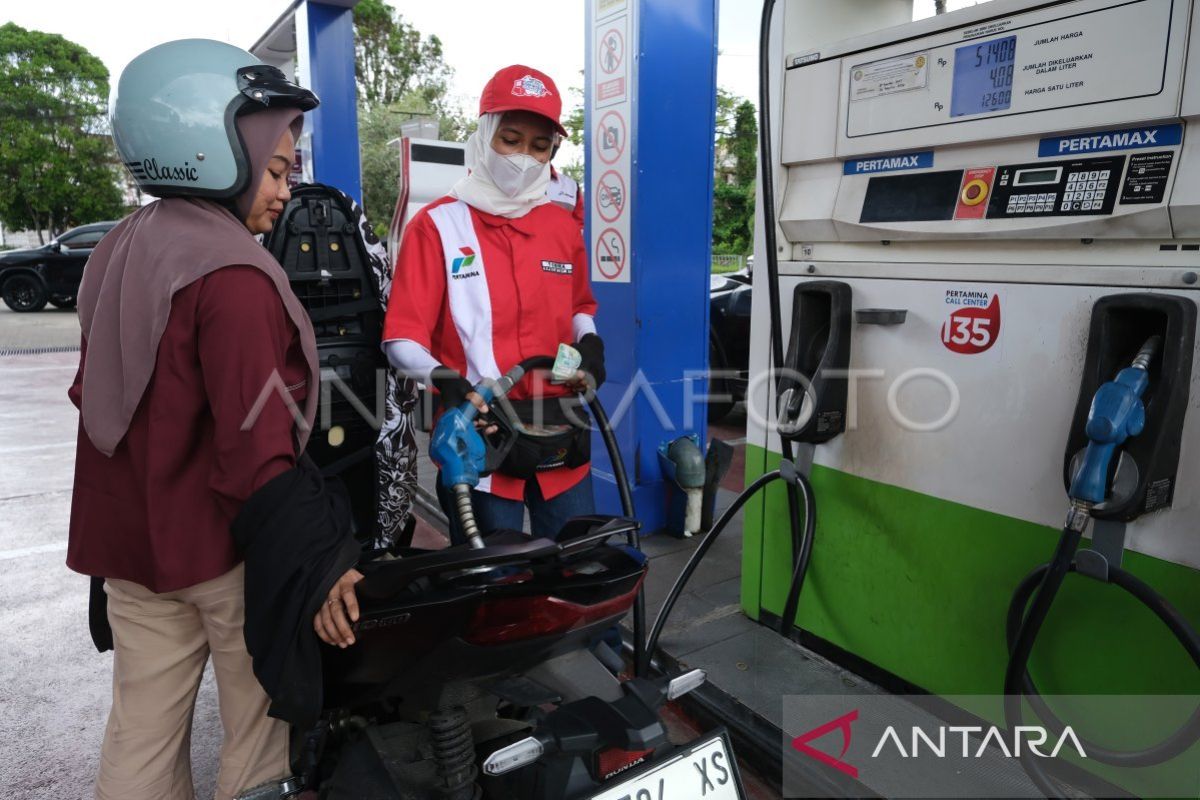
Jakarta (ANTARA) — Have you ever felt dizzy, coughed, or even experienced shortness of breath when inhaling the smell of petrol whilst filling your vehicle at a petrol station? It turns out this is not without cause.
Petrol contains methane compounds that can trigger shortness of breath; toluene which can cause vision disturbances and miscarriage; and benzene which is carcinogenic, capable of triggering cancer, especially leukaemia, according to the telemedical platform Halodoc.
These hazardous compounds can enter our respiratory tract through a natural evaporation process when fuel is transferred from the storage tank at the petrol pump to the fuel tank in the vehicle.
Field research by the Video Journalists Alliance (AJV) revealed that levels of Total Volatile Organic Compounds (VOC-T), or the concentration of easily evaporating organic compounds, at several petrol stations in Jakarta far exceeded the normal threshold of 500 parts per million (ppm).
Of three petrol stations studied, one had a VOC-T level 12 times higher than the safe threshold, reaching 6,000 ppm; whilst another showed a VOC-T level of 10,500 ppm, equal to 21 times the normal limit.
Even one petrol station recorded a VOC-T level of 50,000 ppm, equivalent to 100 times the safe threshold.
This phenomenon creates fuel vapour pollution, a latent danger threatening the health of petrol station workers and the general public who use fuel.
Consider that if we as consumers often feel uncomfortable when smelling petrol, what about the fuel pumping staff who work for hours every day surrounded by petrol vapour pollution?
In terms of regulation, the government has actually established protection standards for workers through the Ministry of Manpower Regulation Number 5 of 2018 on Occupational Safety and Health in the Work Environment.
This regulation sets a Threshold Limit Value (TLV) for benzene compounds at a maximum of 0.5 ppm. The TLV is the standard for hazardous factors in the workplace that can be accepted by workers without causing health disturbances in daily work for a duration not exceeding 8 hours per day.
The regulation also sets the maximum exposure level for toluene during 8 hours of work per day at 50 ppm. Meanwhile, according to the Biological Exposure Indices (BEI) of the American Conference of Governmental Industrial Hygienists (ACGIH) 2023, the threshold limit for toluene compounds in the blood is set at 0.02 milligrams per litre.
Unfortunately, the reality of rule enforcement in the field falls far short. Many petrol station workers have yet to receive their rights, including workers’ compensation insurance protection and weekly blood test facilities.
Yet regular blood checks and health examinations are the frontline defence in risk mitigation efforts among workers, given that benzene can cause blood cancer, whilst toluene can threaten the nervous system.
Insurance protection is also necessary to ease the financial burden on workers requiring treatment, especially amid the continuing rise in medical inflation.
Quality improvements remain essential in protecting workers and the public from the latent dangers of fuel vapour exposure.